
Scientific Name
Other Names
Life Form
Family
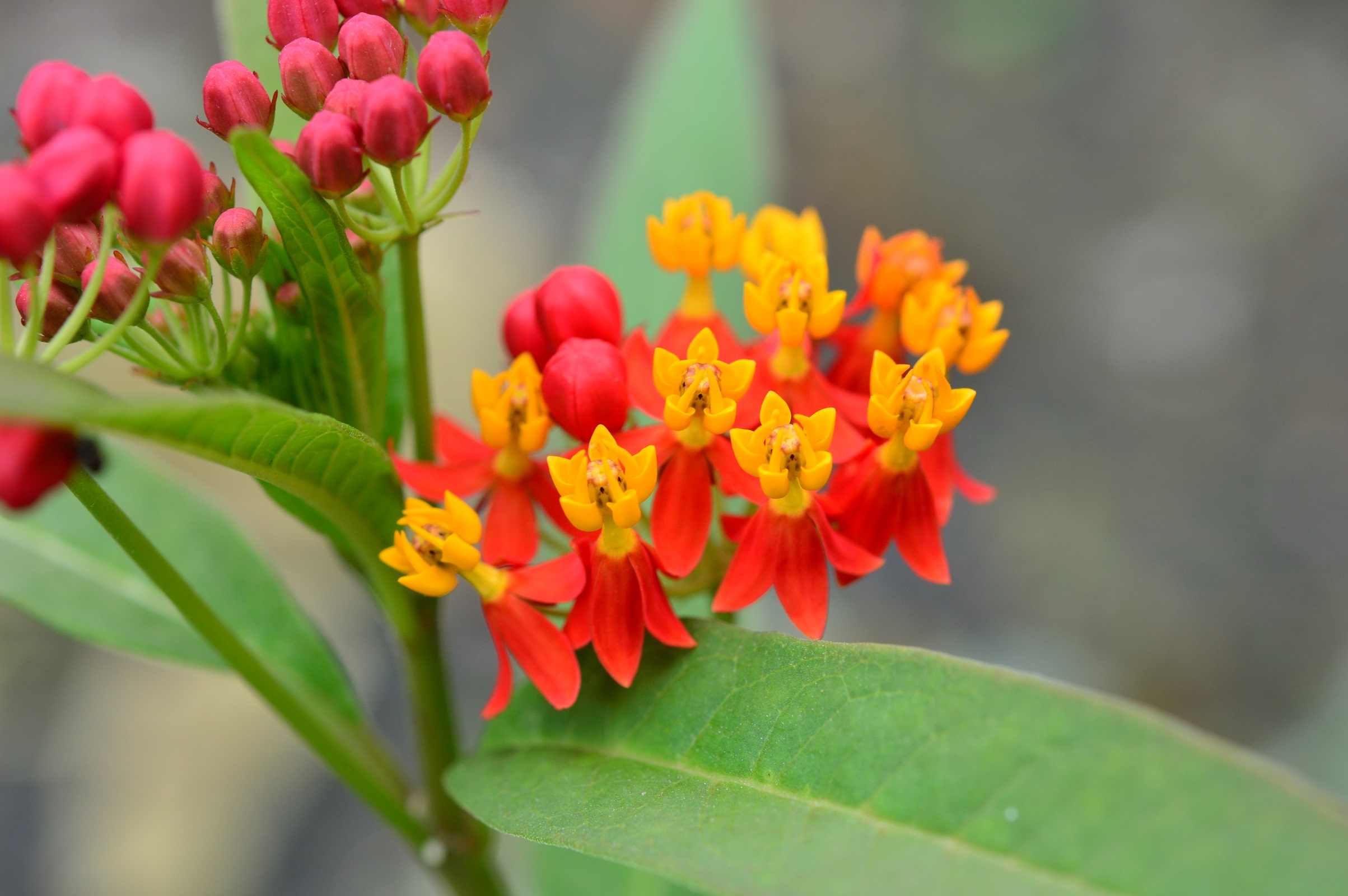
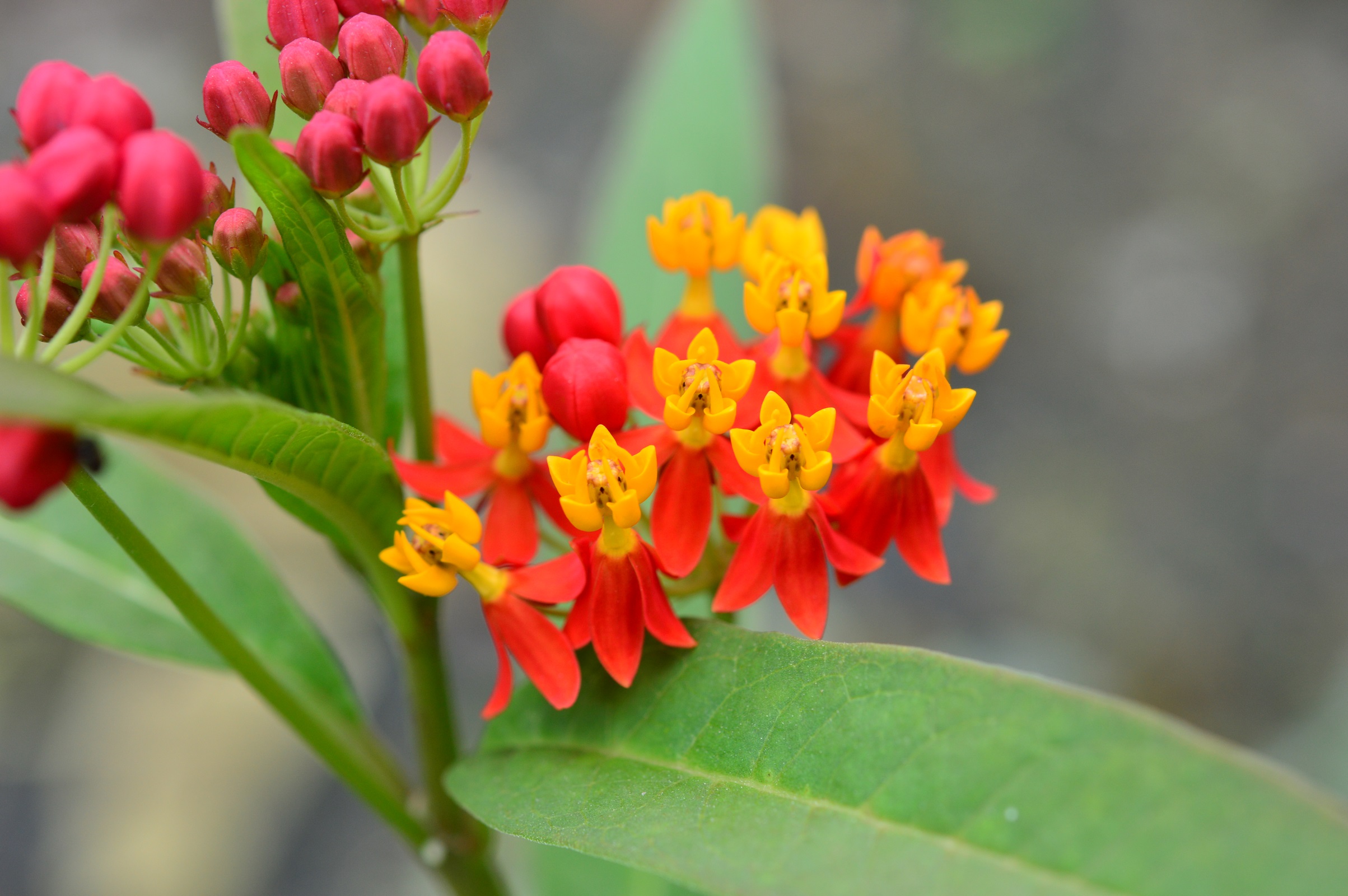
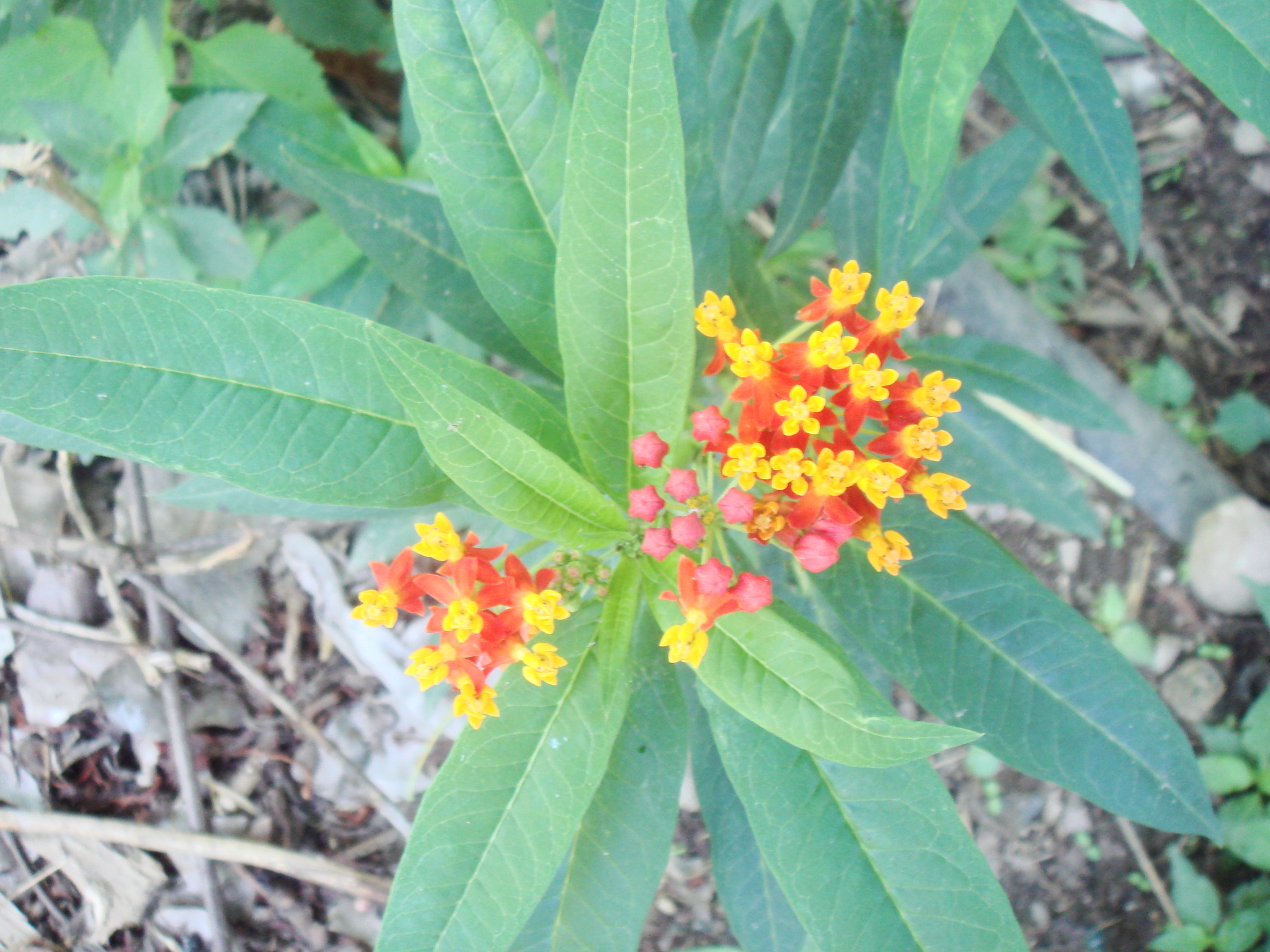
Ornamental - It is a popular ornamental, particularly with butterfly gardens and enthusiasts as it attracts the monarch butterfly. Medicine - Has been used as a traditional medicine for many health problem. It is used as a contraceptive and snakebite remedy by Native Americans, and is used in the tropics as an emetic, laxative, febrifuge, expectorant and to remove warts, and is used elsewhere to treat skin parasites, constipation, venereal disease, kidney stones and asthma. A syrup made from the juice of A. curassavica is a powerful vermifuge and its roots have been used to treat gonorrhoea. In Jamaica it has been used to treat dysentery and in Indonesia A. curassavica has been used in the treatment of pneumonia, mastitis, pyoderma and inflammation of the spleen. It has also been used in the treatment of fungal infection, leucorrhoea, warts, cancer, caries fever.
Mexico to Tropical America
Thrives in seasonally dry tropical biome, naturalized weed in tropical and subtropical pastures, fields and disturbed areas throughout the world.

It is an erect evergreen perennial subshrub; often grown as an annual 60- 120 cm tall.The spread of the plant is generally less than its height. This creates a bushy compact appearance.
Stem is straight and upright, usually has a few pairs of symmetrical branches.
Leaves are narrowly elliptic, and pointed at both ends, arranged oppositely along the stems, with each pair at right angles to the one below and above it. They can be lanceolate (narrow and elliptical) or ovate (egg-shaped) with a smooth or slightly hairy texture.
Flowers are in clusters called umbels. These clusters typically hold 6 to 12 individual flowers and are positioned at the terminal ends of stems or in the axils (crooks) between leaves. The blossoms are red and orange.
Fruit is spindle shaped pod, that eventually split open to release little flat seeds that drift away on silky parachutes.
Flowering: almost all year.