
Scientific Name
Other Names
Life Form
Synonyms
Family
Food-Tender young shoots are consumed as vegetabels raw, cooked or pickled. Medicine- Both the roots and the shoots can be used medicinally, they have a restorative and cleansing effect on the bowels, kidneys and liver. The root is diaphoretic, strongly diuretic and laxative. An infusion is used in the treatment of jaundice and congestive torpor of the liver The strongly diuretic action of the roots make it useful in the treatment of a variety of urinary problems including cystitis. It is also used in the treatment of cancer. The roots are said to be able to lower blood pressure.
Afghanistan, Pakistan
It thrives in well-drained, sunny locations with moderate watering.

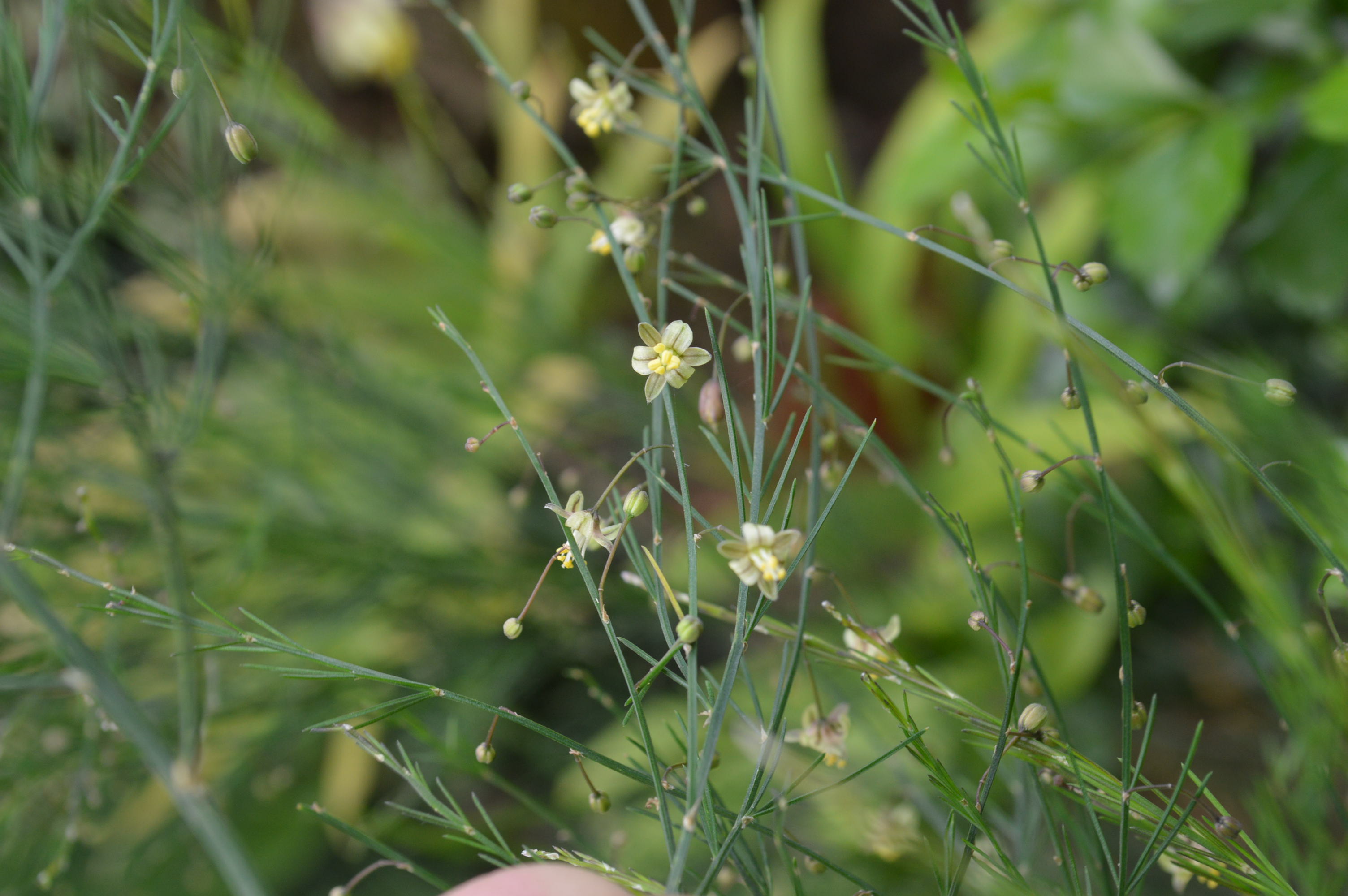
Dioecious perennial herbs, reaching 1.5 m tall. Feathery foliage dies back in winter.
Erect, glabrous (smooth), arising from a thickened underground crown that sends up numerous upright, fleshy shoots (spears).
It has tiny scales at the base of the stems (leaf spurs). The true foliage consists of feathery structures called cladodes, which emerge in clusters of 3-6 from each joint. These needle-like cladodes are 0.5-3 cm long and very thin (0.2-0.4 mm), with a slightly flattened surface and irregular grooves.
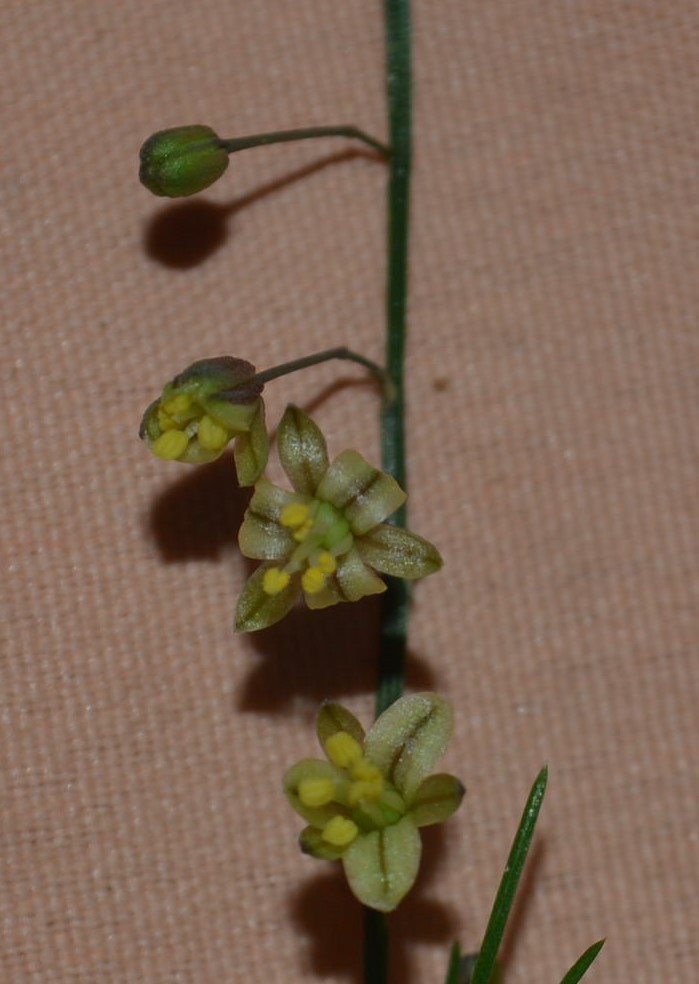
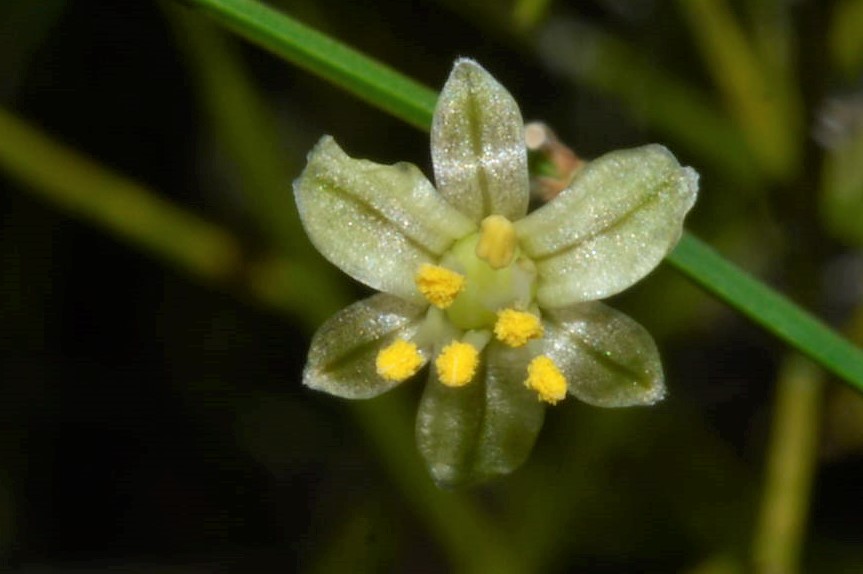
It has inconspicuous, greenish-yellow flowers that can be male or female (dioecious). They appear singly or in clusters of 1-4, with stalks (pedicels) 8-15 mm long. Male flowers are slightly larger (5-6 mm) than female flowers (around 3 mm).
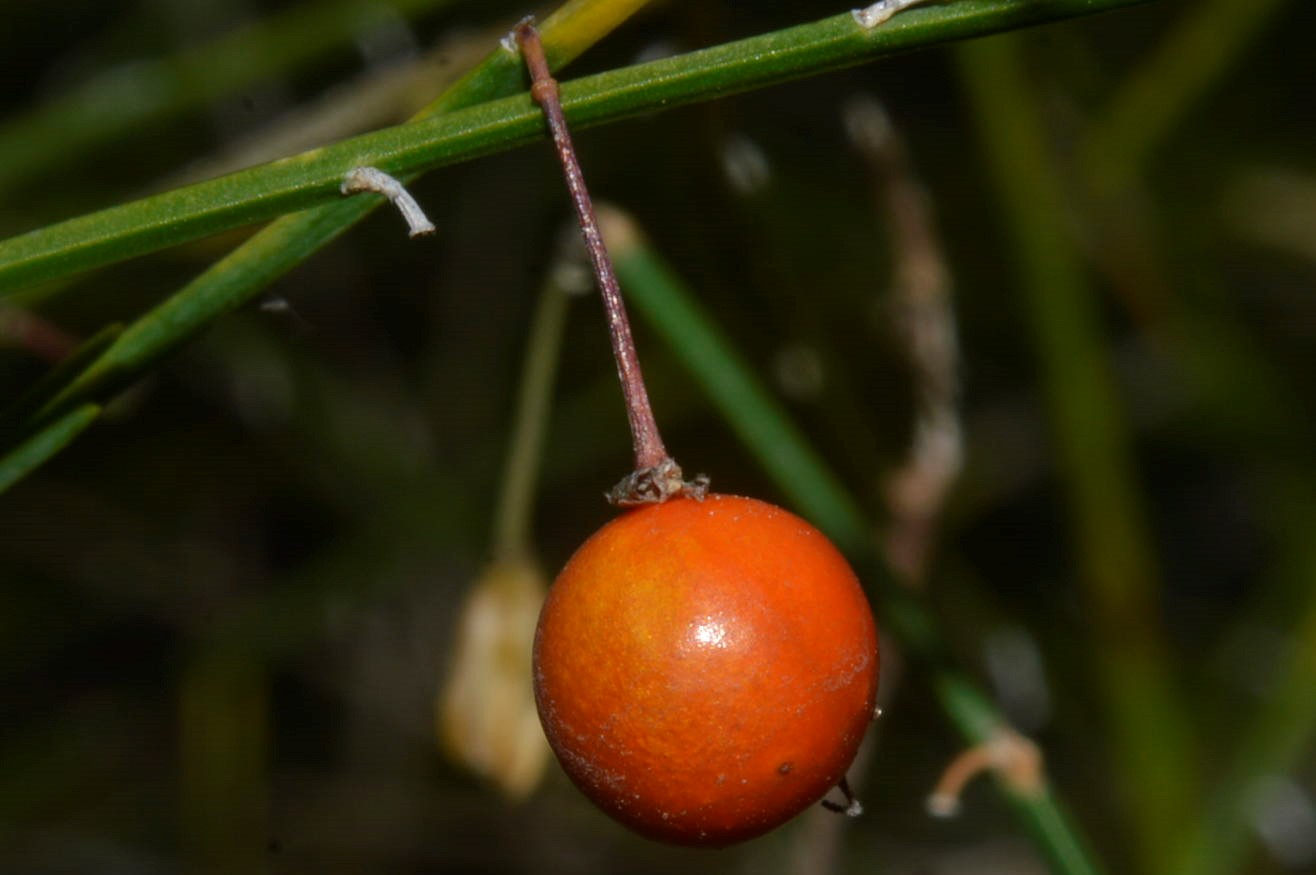
Bright red berry, 6-8 mm in diameter.
Flowering: May – June
Fruiting: August