
Scientific Name
Other Names
Life Form
Family
Leaves are infused in hot water and used as the drink. Leaves are antimicrobial, antioxidant, antitumor, cardiotonic, diuretic, expectorant, stimulant and astringent.
China, Japan, Korea
It grows in evergreen broad-leaved forests, and thickets at altitudes of 100- 2200 m asl.

Known for its soothing properties; a symbol of elegance and beauty in many cultures and traditions.
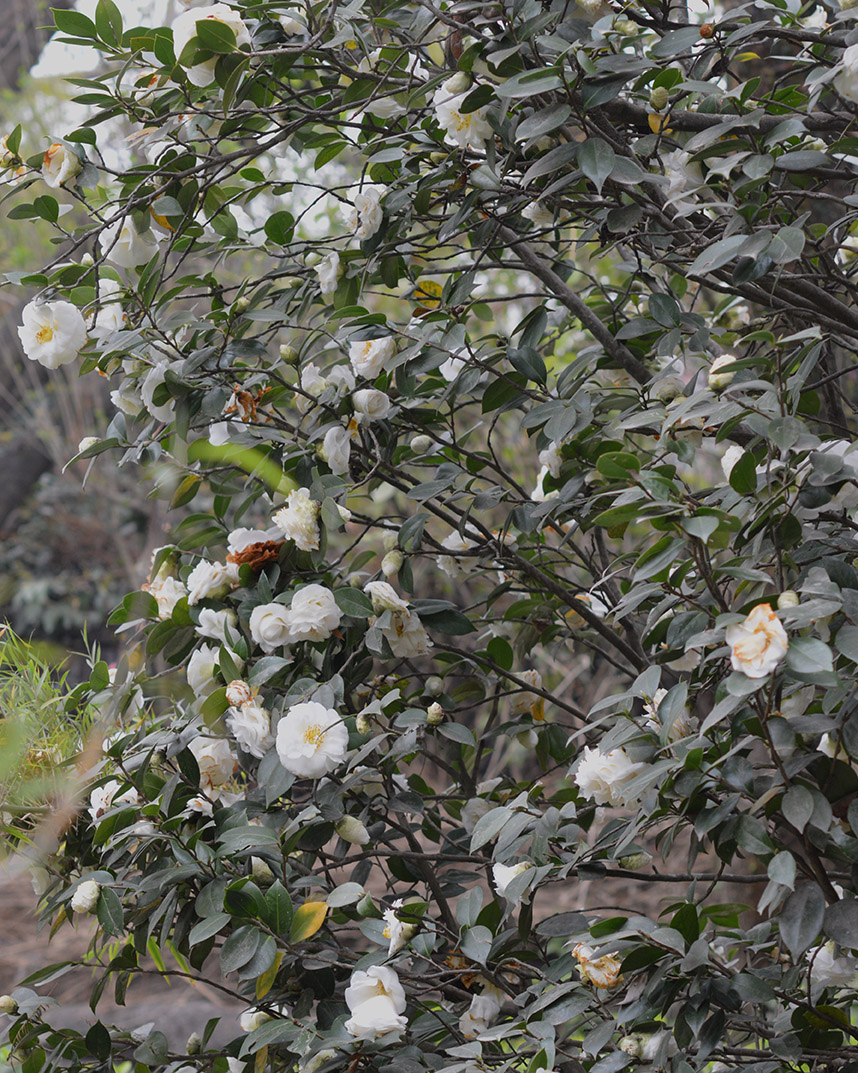
It is an evergreen, multi-stemmed shrub growing up to 3 m tall.
Stems are woody and upright, with branching occurring along the length. Branches typically grow in a densely pyramidal or upright pattern.
The leaves are 4–15 cm long and 2–5 cm broad. The young, light green leaves are preferably harvested for tea production; they have short white hairs on the underside. Older leaves are deeper green.
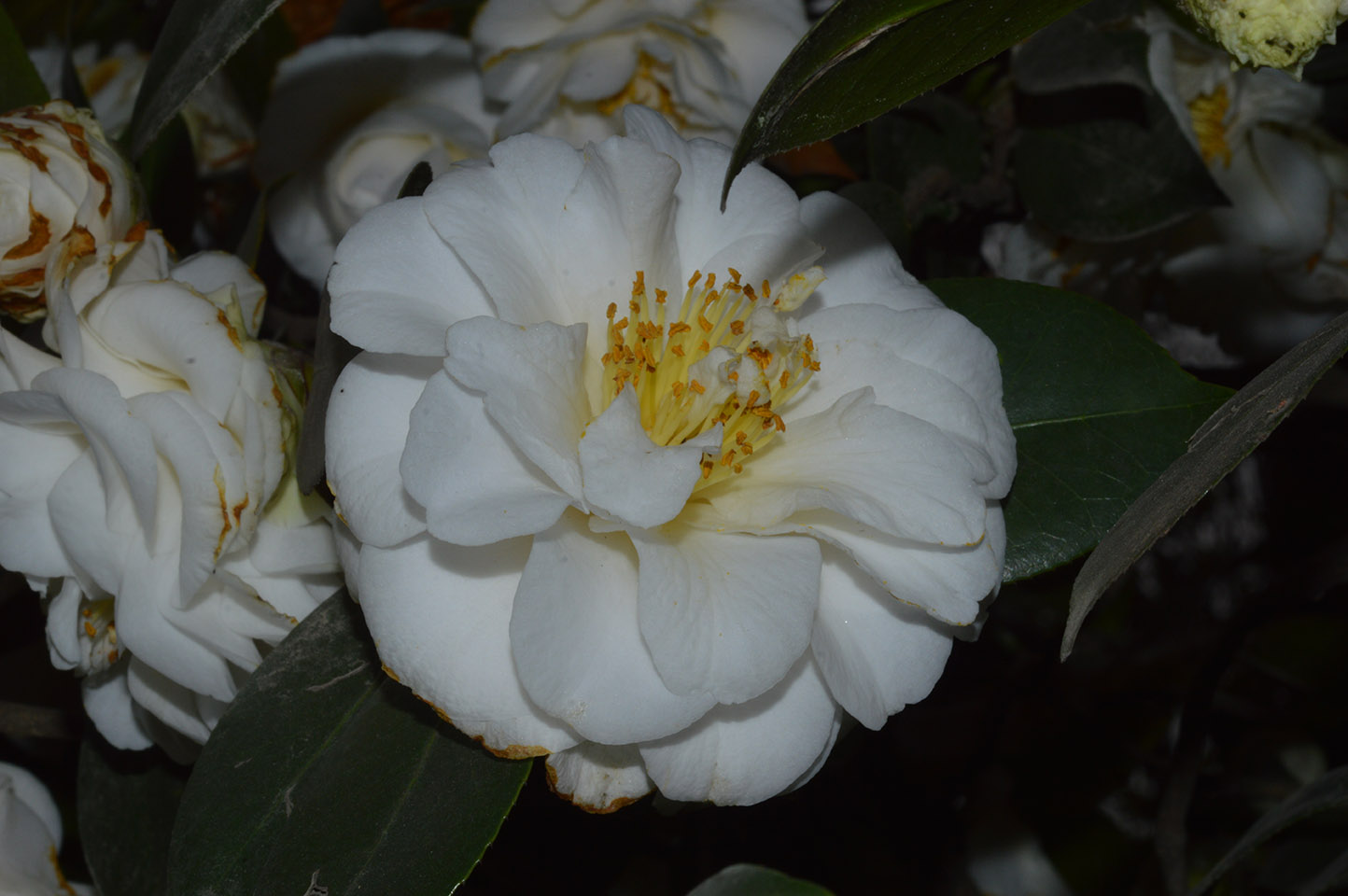
The flowers are yellow-white, 2.5–4 cm in diameter, with 7 to 8 petals.
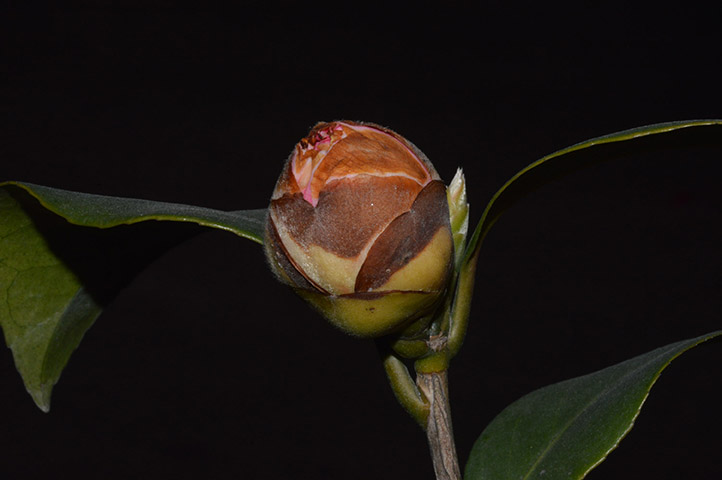
It produces a small, brown capsule fruit that splits open to release seeds after flowering.
Flowering: October-December.