
Scientific Name
Other Names
Life Form
Family
Food - Tender young leaves are cooked and eaten as a vegetable. he plant is used in Nepal to make marcha, a fermented cake from which an alcoholic beverage is distilled. Medicine - Traditional medicine for ailments like inflammation, peptic ulcers, coughs, toothaches, wounds, and indigestion.
Bangladesh, China, India, Myanmar, Nepal, Pakistan
It grows in the forest margins, shrubberies, along stream and foot trails.

Perennial climber
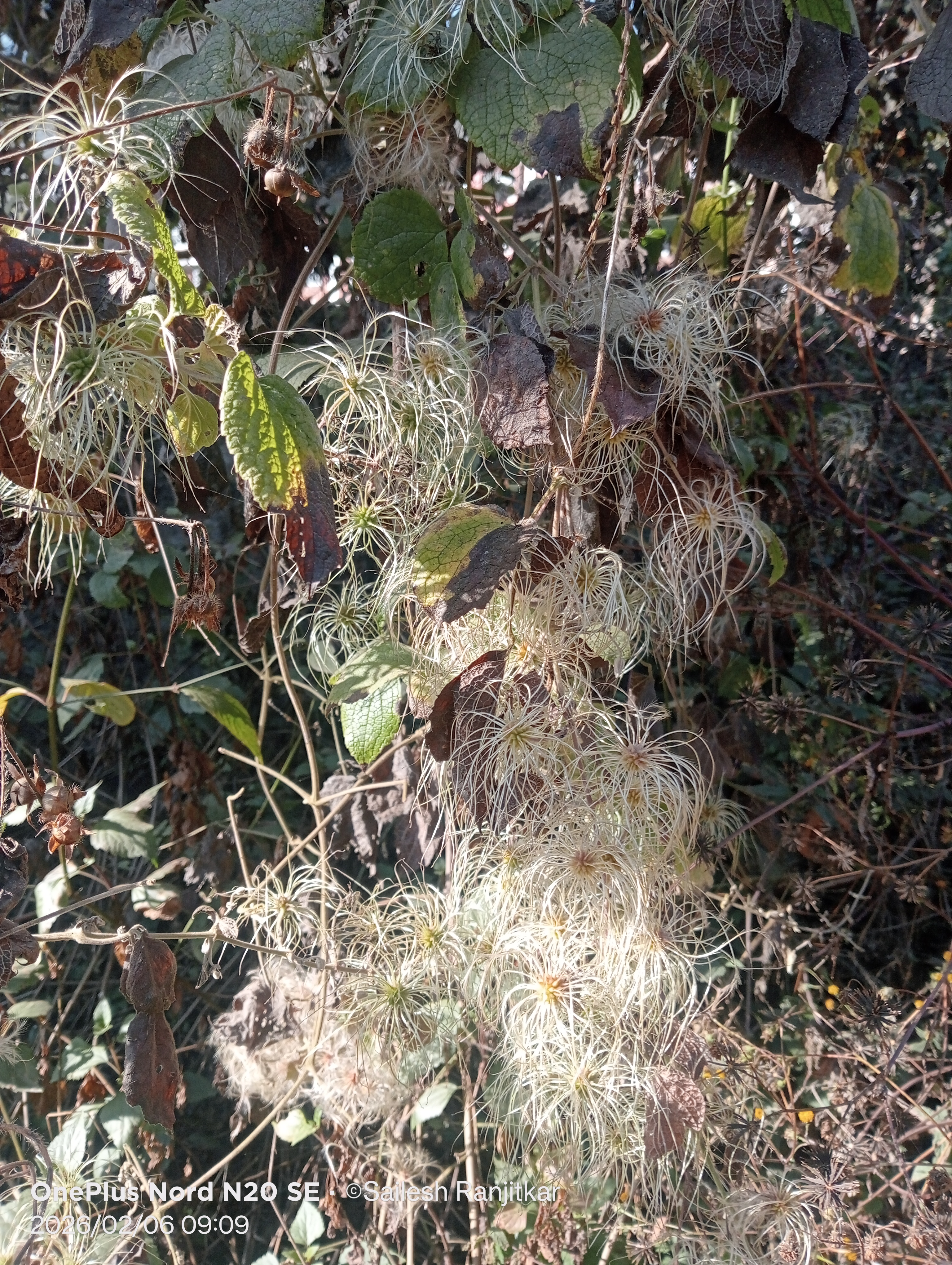
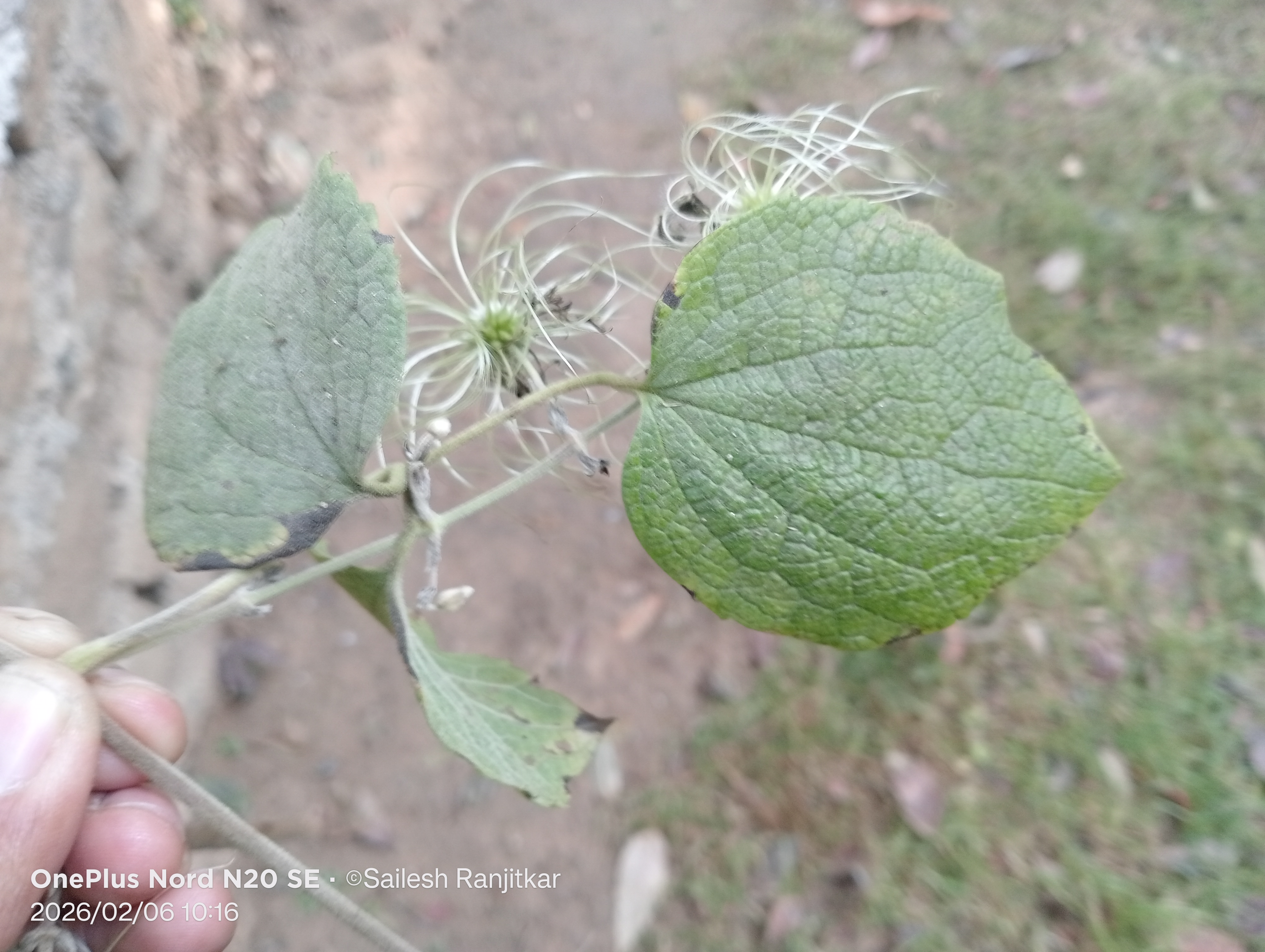
Woody vine with shallowly grooved branches (8-10 grooves) covered in yellowish velvety hairs.
Compound leaves with toothed margins. Leaflets vary in shape (broadly ovate, ovate, or elliptic) and size (4-11 cm long, 4-10 cm wide). Undersides are hairy (pubescent). Leaf stalks are 4.5-9 cm long.
Yellow, fragrant flowers (1.5-2.5 cm diameter) borne in clusters (cymes) at the leaf axils. Four erect, lanceolate-oblong yellow sepals (tepals) per flower.
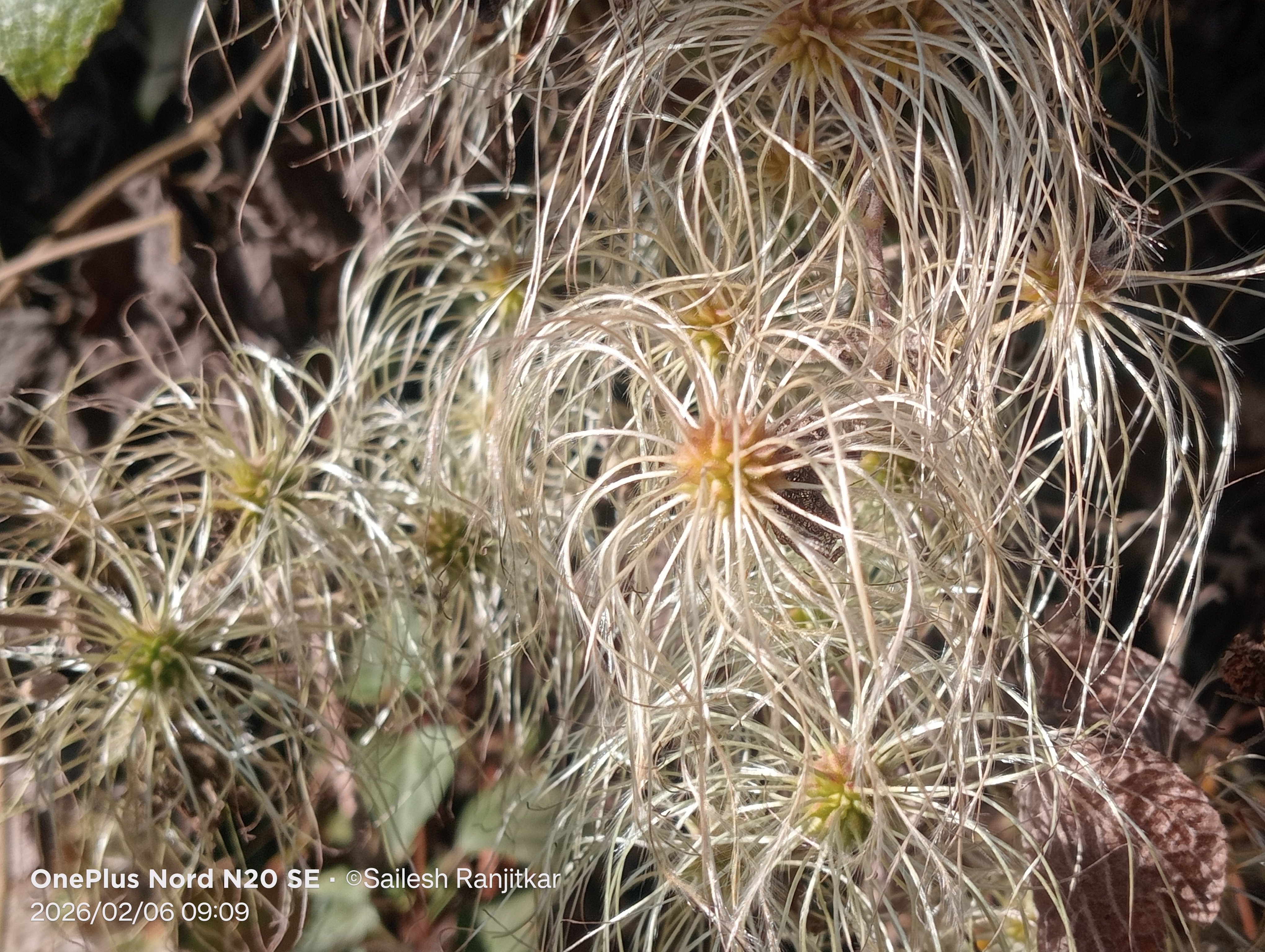
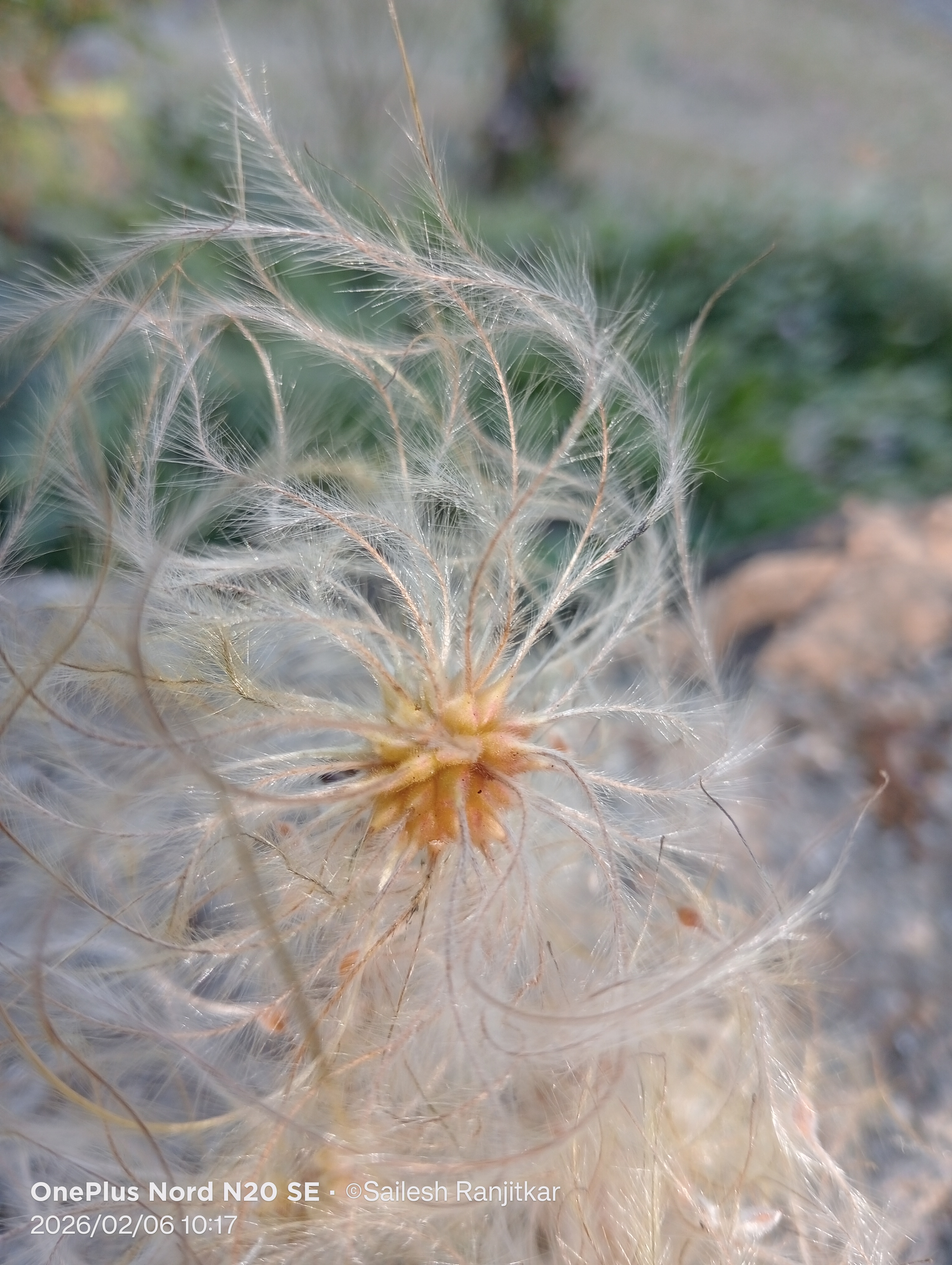
Likely produces achenes (dry, single-seeded fruits) though information is scarce.
Flowering: July–December
Fruiting: February–March