
Scientific Name
Other Names
Life Form
Family
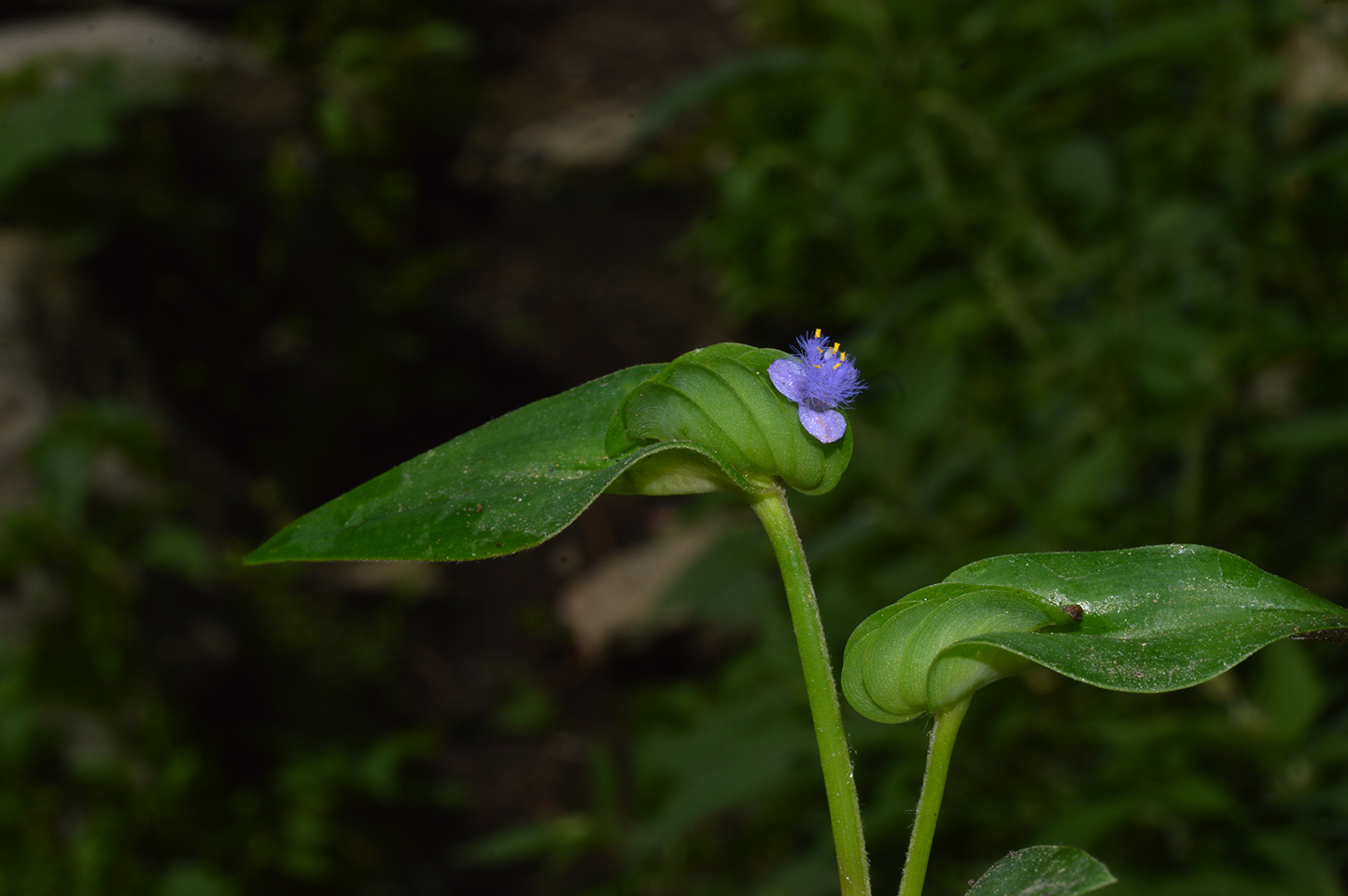
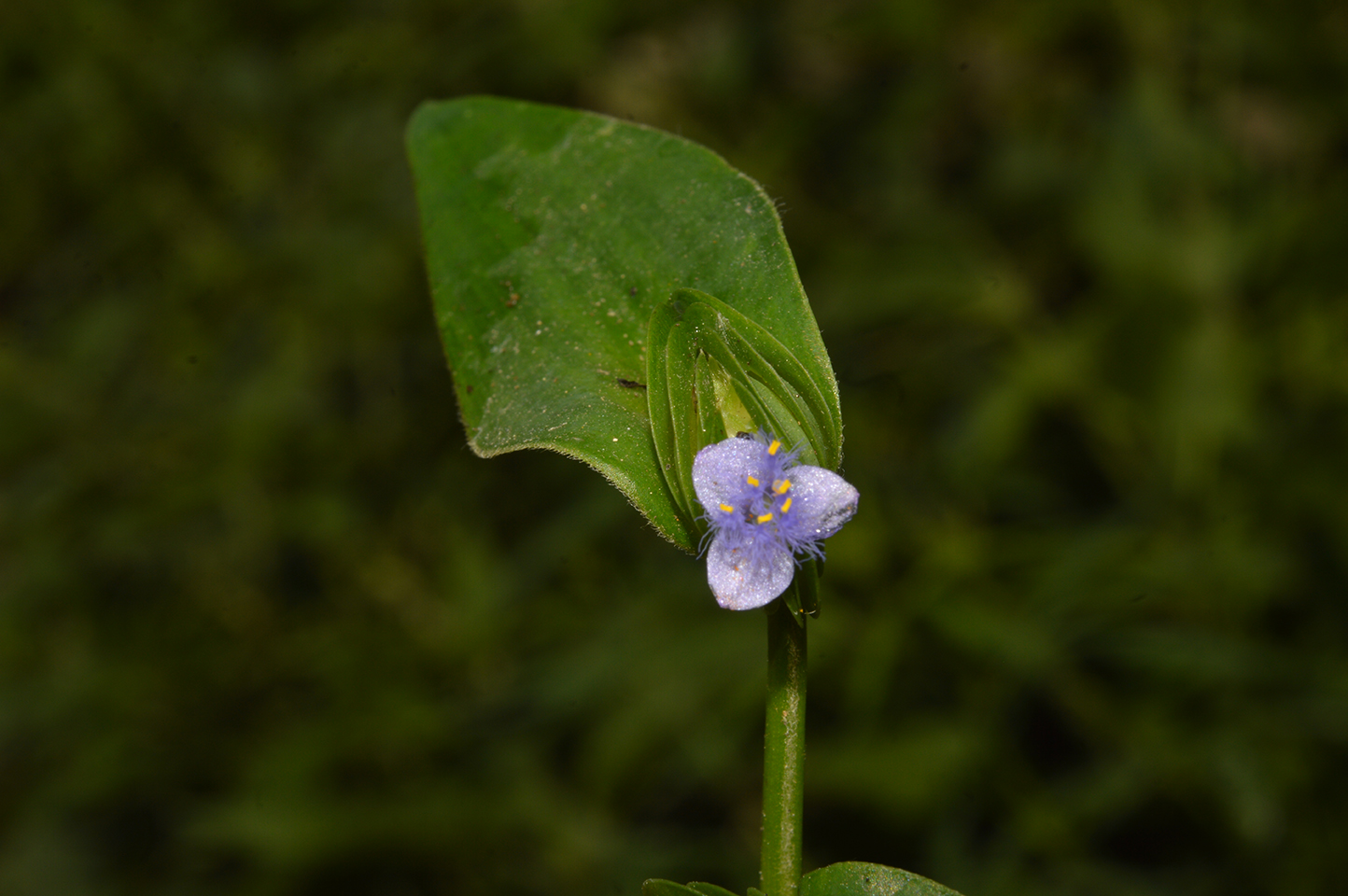
Medicine - Have Traditional medicinal uses. Roots paste is used to treat swelling and snakebite. Antioxidant effect of leaves extract has been shown to promote healing of wounds. Food - Young leaves are eaten cooked as vegetable.
Bangladesh, Bhutan, China, India, Myanmar, Nepal, Pakistan
Thrives in streams in ravines or open humid places, near sea level to 2000 m.

It is a low-lying herb with creeping stems that may rise with short erect or ascending branches. The branches typically reach 15 -30 cm in length.
Stem is smooth or have some fine, spreading hairs.
Leaves are directly attached to the stem and are spaced out along the branches. They have an ovate to oblong shape, with pointed or slightly blunt tips and smooth edges. The leaves measure 5-10 cm long and 1-1.5 cm wide.
Flowers are in clusters, blue and bloom at the tips of the branches. These clusters are surrounded by green, folded bracts that are ovate-falcate in shape and about 1.5 cm long.
Fruit is a capsule, measuring 0.3-0. 4 cm long and triangular in cross-section (trigonous). The capsule walls are thin and membranous and typically contain 6 seeds.
Flowering: July – August,
Fruiting: September – October.