
Scientific Name
Other Names
Life Form
Family
Medicine - widely used herbal medicine with a recognised stimulatory effect upon the heart. It is also used in allopathic medicine in the treatment of heart complaints. It has a profound tonic effect upon a diseased heart, enabling the heart to beat more slowly, powerfully and regularly without requiring more oxygen. Ornamental: Widely cultivated in temperate gardens for its striking height and vibrant bell-shaped flowers.
Europe to Morocco
Thrives in moist, acidic soils along forest edges, woodland clearings, and disturbed mountain slopes at elevations ranging from 1,500 to 3,000 meters.

Biennial herb
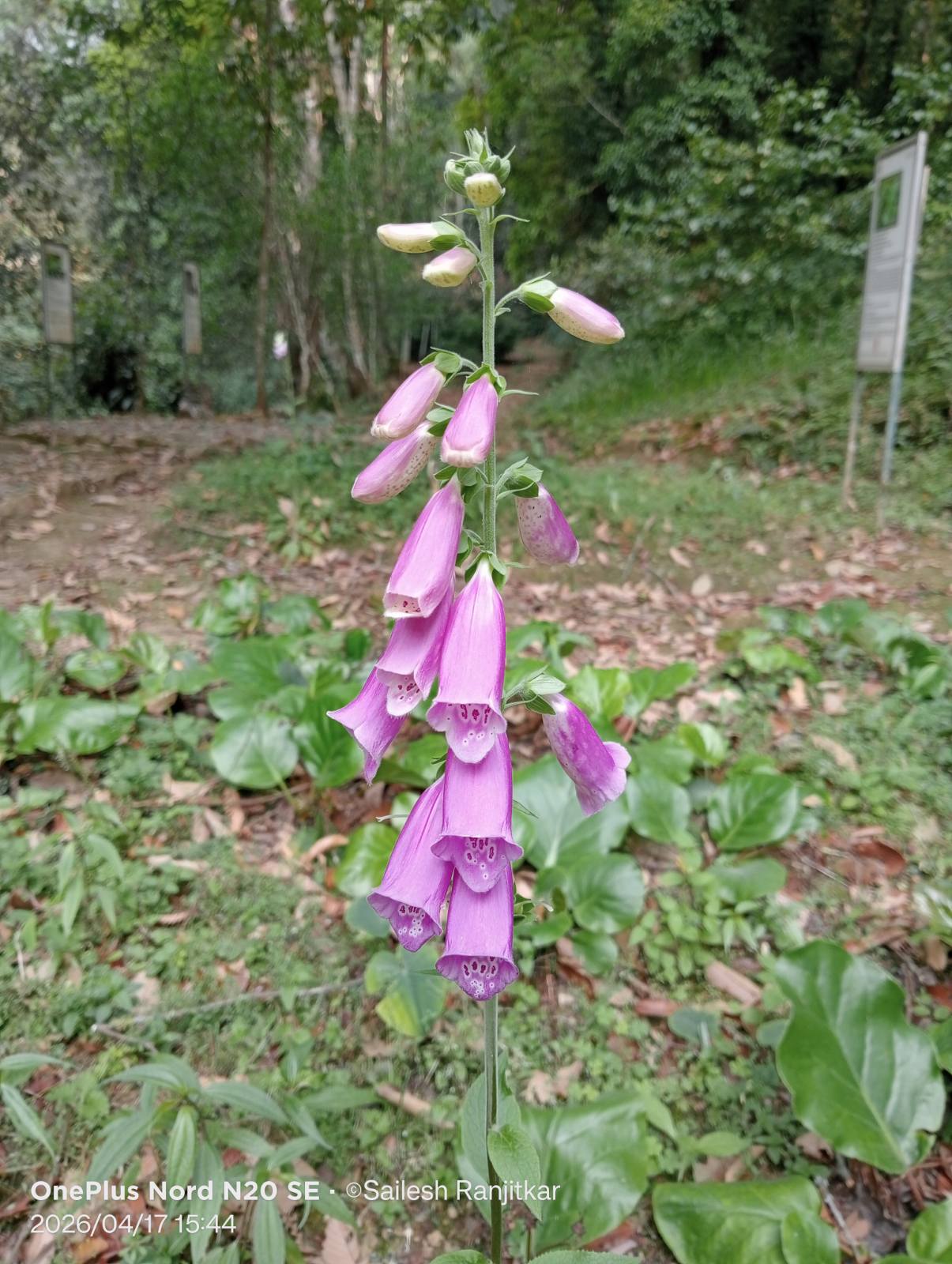
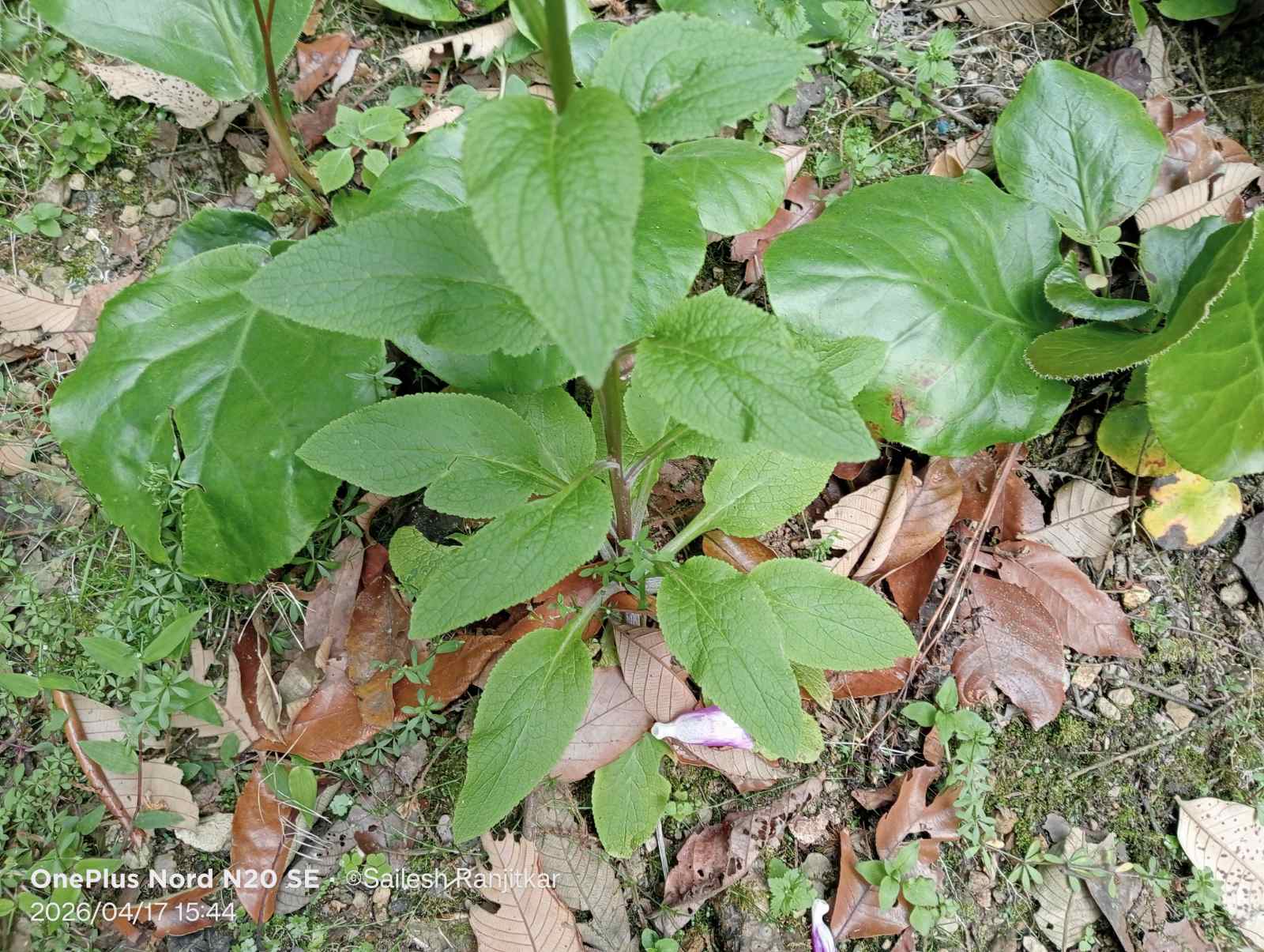
Stems are erect and mostly unbranched. In the first year, the plant remains a low basal rosette. In the second year, it produces a tall, hollow, hairy flowering stalk reaching 1 to 2 meters.
Leaves are alternate, simple, and ovate-lanceolate. They are typically 10–35 cm long with a woolly texture from dense gray-white hairs. The upper surface is dark green and wrinkled, while the lower surface is paler. Margins are crenate, and lower leaves are long-petioled, forming a tight ground-level rosette.
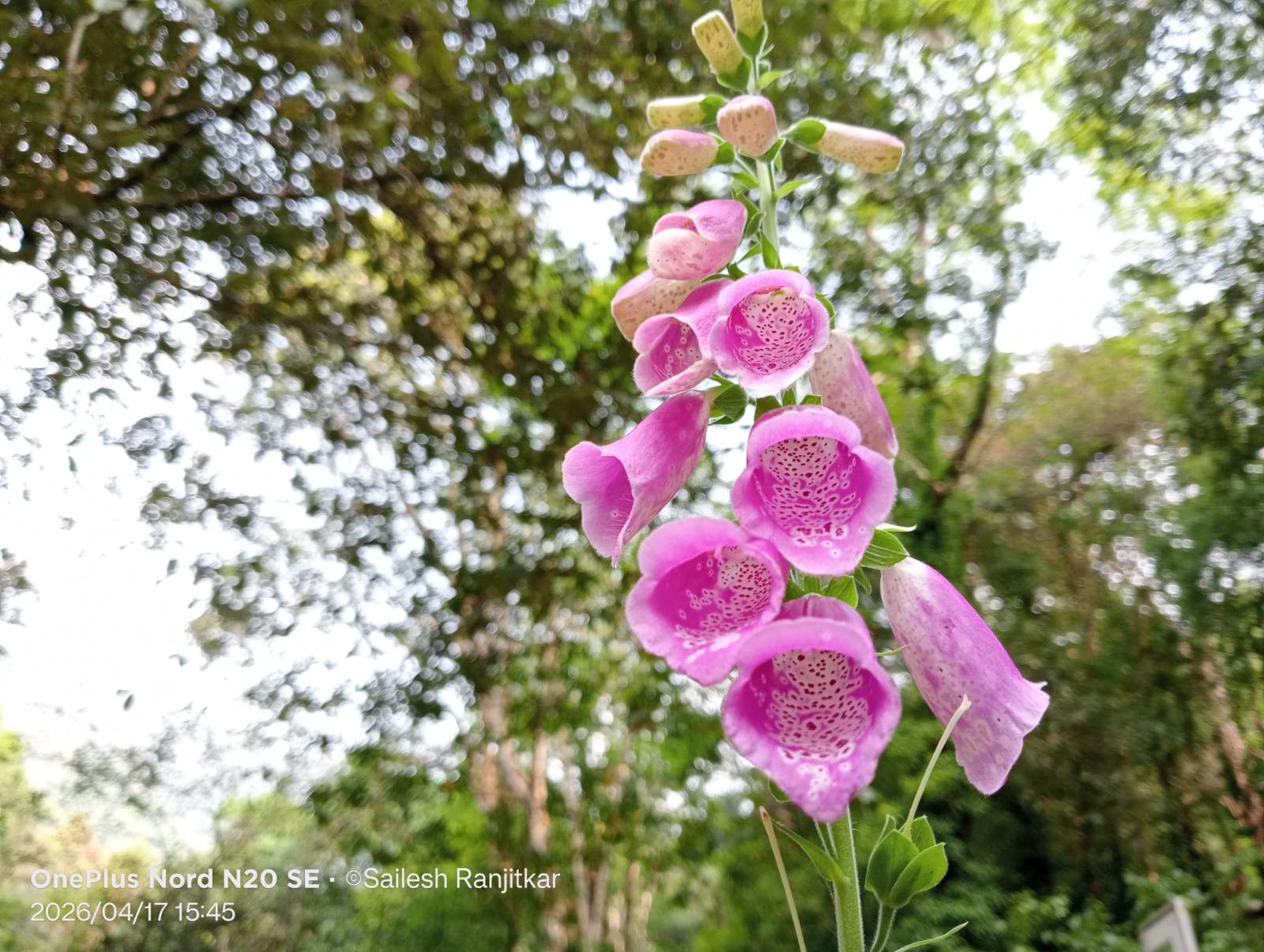
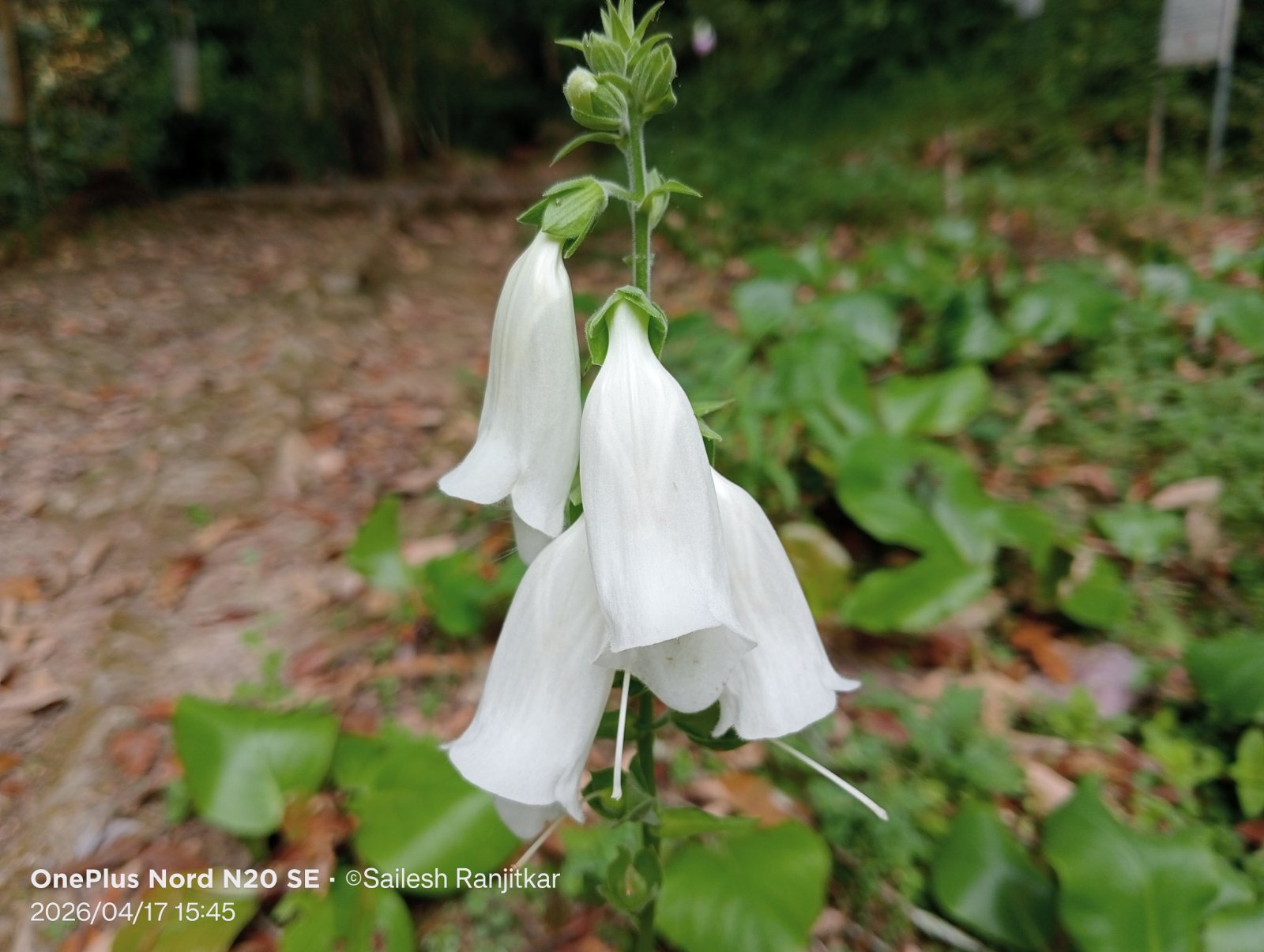
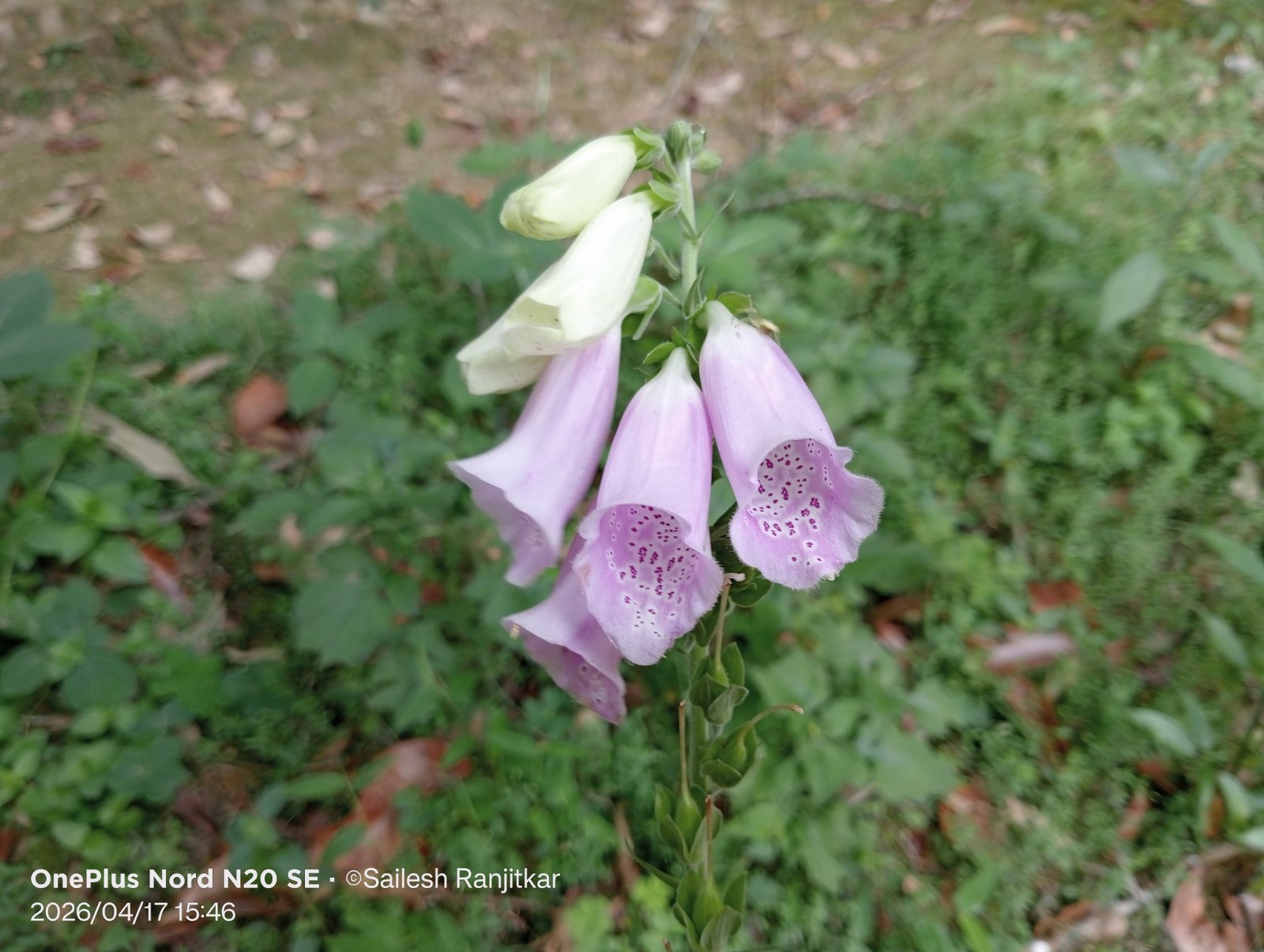
Flowers are large, tubular, and bell-shaped, arranged in a tall, showy, one-sided terminal raceme. They are typically purple or pink, though white cultivars exist. The interior of the pendent tube is heavily spotted with dark purple edged in white. Each flower is 4–6 cm long and opening progressively upward.
Fruit is a dry, ovoid capsule about 1–1.5 cm long. At maturity, it splits open to release numerous tiny, brownish-black, pitted seeds. These seeds are easily dispersed by wind and remain viable for years.
Flowering: April – June
Fruiting: July – September