
Scientific Name
Other Names
Life Form
Family
Eco-restoration- The plant is a good source of organic matter - when abundant it is ploughed back into the soil as a soil improver. The plant is useful as a soil binder to control erosion.
Afghanistan, Bangladesh, Bhutan, China, India, Nepal, Pakistan
Thrives in moist to wet areas, including swamps, open wastelands, grassy roadsides, some plantation crops, and even on lava flows (in Hawaii), at an elevation of 2100 m.

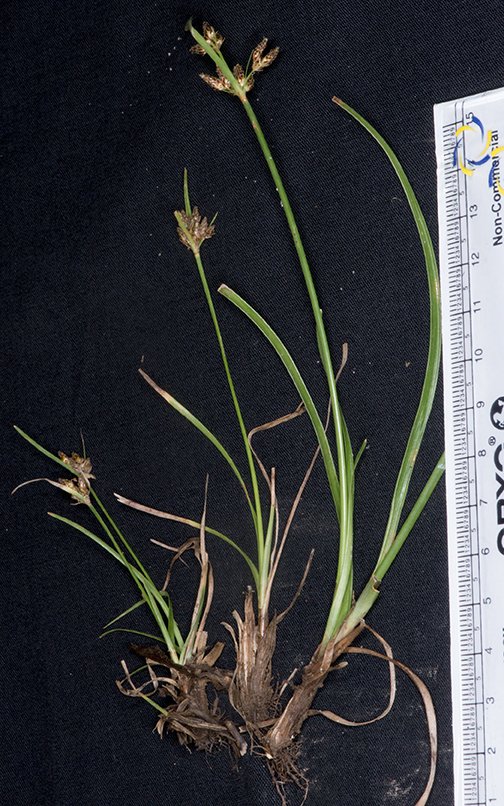
It is densely clustered perennial growing in clumps.
Stem is hairless, deeply grooved, 30-60 cm tall with a tufted growth pattern.
Leaves are up to half the stem length, forming a dense tuft at the base. Sheaths open with slightly hairy margins, and a fringe of hairs at the junction between sheath and blade. Blades are flat, 0.1-0.3 cm wide, sometimes slightly curved, with rough edges, especially towards the tip.
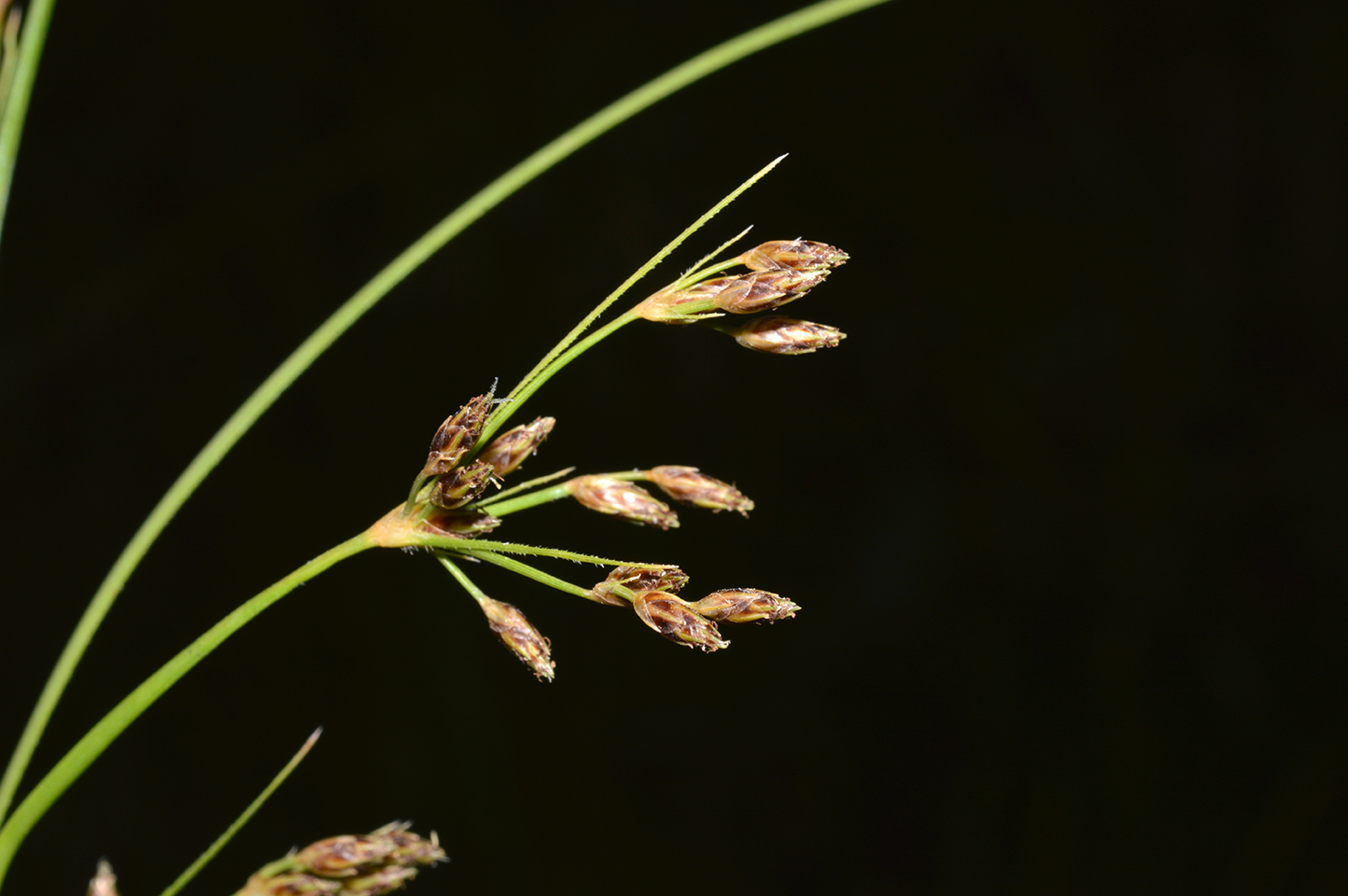
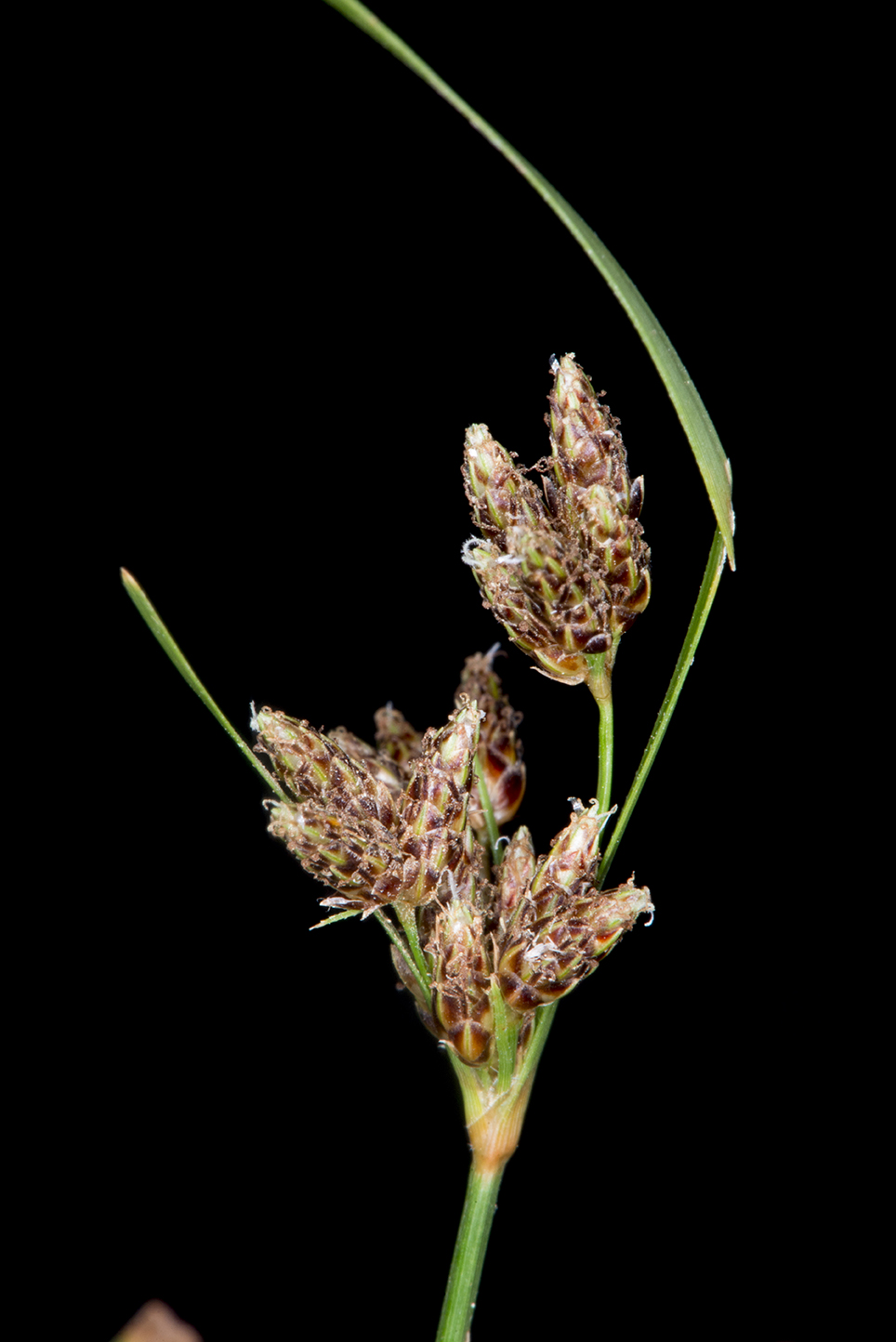
Flowers are arranged in a cluster called an inflorescence, 2-6 cm in diameter. This cluster contains 6-50 spikes, mostly solitary, but occasionally paired. The lowest bract resembles a leaf and can be as long as or longer than the inflorescence itself. Individual spikes are oval-shaped, pointed, light brown to brown.
Fruit is small, dry that develop from the flowers, reproduces through achene.
Flowering: August-October.