
Scientific Name
Other Names
Life Form
Family
Ornamental- It is sometimes grown as an ornamental. Medicine- The fruits are eaten as a treatment for fevers and headaches and are also considered to be beneficial for the heart and to relax the mind. The leaves and fruits are used in the treatment of kidney disorders, skin disease, fevers, coughs, colds, wounds, and in paralysis of limbs. Cultural/ Religious- The leaves and twigs are highly valued for use as an incense. They are burned as incense in Buddhist temples. Wood - Construction: The tree trunks are very durable and are used as poles while building houses. Wood - Fuelwood: The wood is used for fuel in high altitude settlements, and is especially valued in the treeless arid region and pasture areas
Bhutan, China, India, Nepal, Pakistan
Thrives in forests or thickets on mountain slopes, at an elevation of 2600-5100 m.

It is erect or prostrate shrub up to 200 cm tall rarely small trees.
Stem is densely arranged, mostly straight, usually 4-angled, sometimes round branchlets.
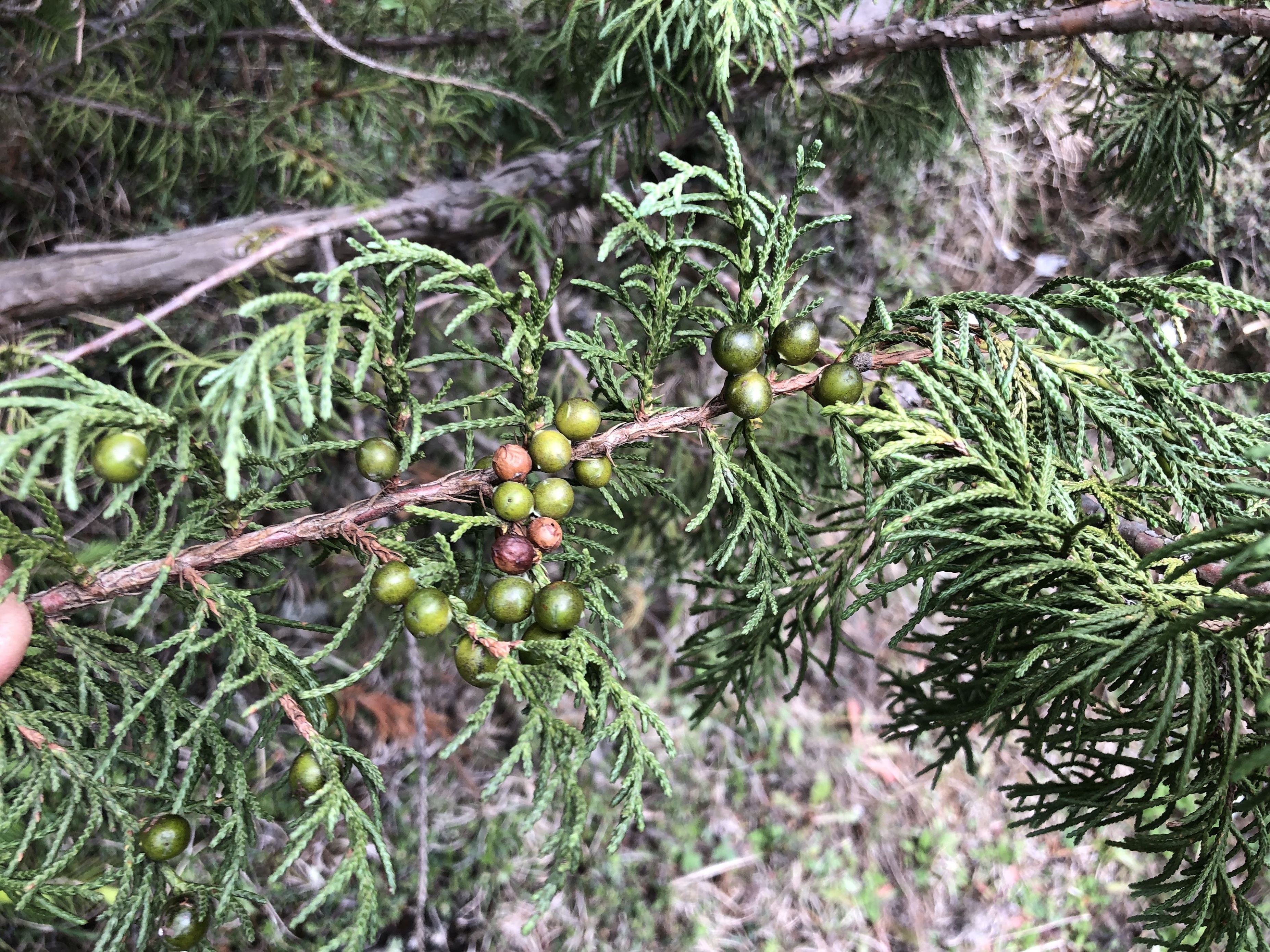
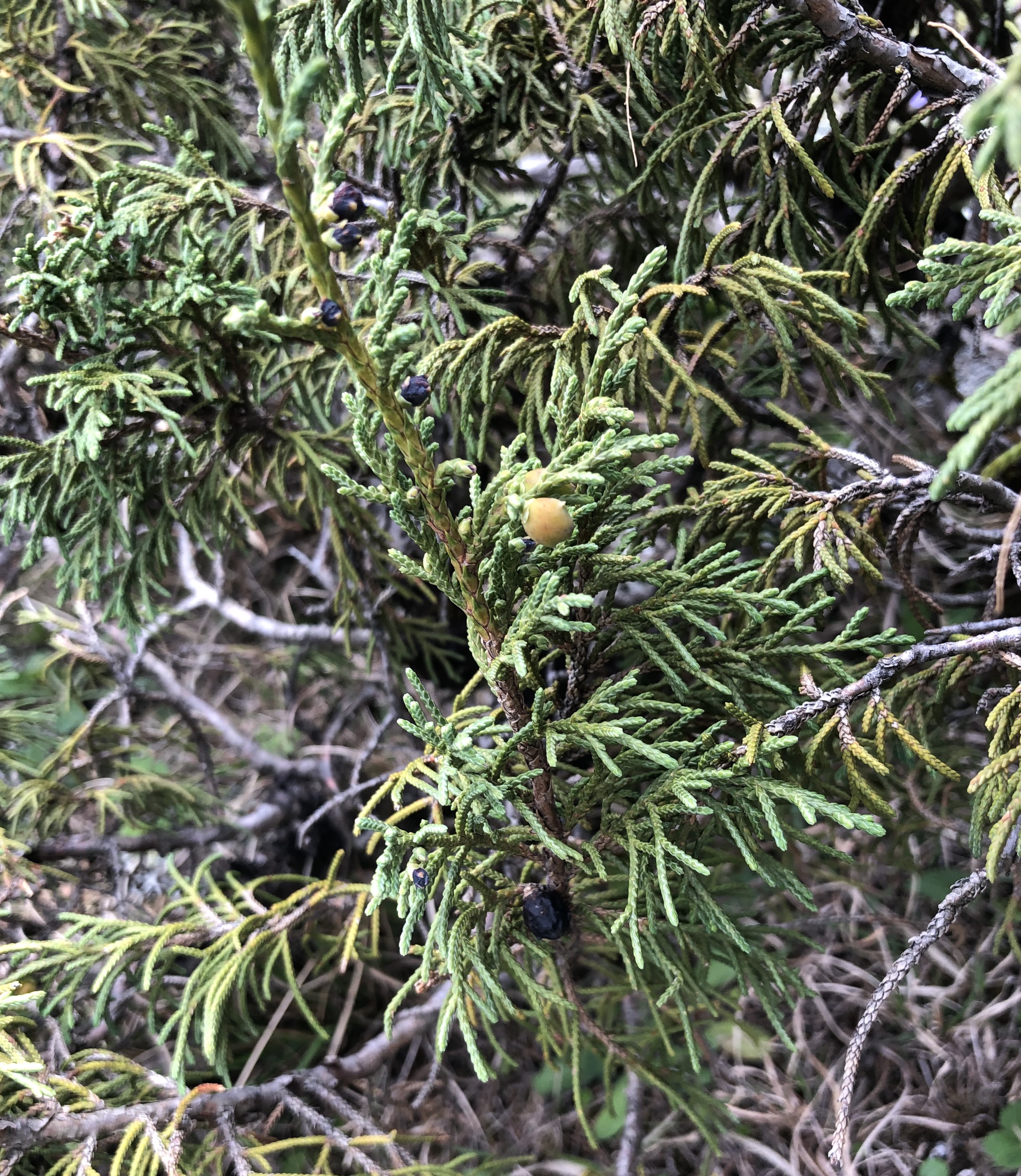
Leaves are both scale-like and needle-like; needle-like leaves are usually present on young trees, in whorls of 3, rising up, 0.3-0.8 cm, tip tapering, scale-like leaves decussate or sometimes in whorls of 3, closely appressed, rhombic, 0.12-0.2 cm, lower gland central, or basal in needle-like leaves, oblong or linear, depressed, leaf tip blunt.
Pollen cones are nearly spherical or ovoid, 0.2-0.3 cm, microsporophylls 6-8, each with 2 or 3 pollen sacs.
Seed cones are erect, black-brown when ripe, nearly spherical or ovoid, one or two seeded.