
Scientific Name
Other Names
Life Form
Synonyms
Family
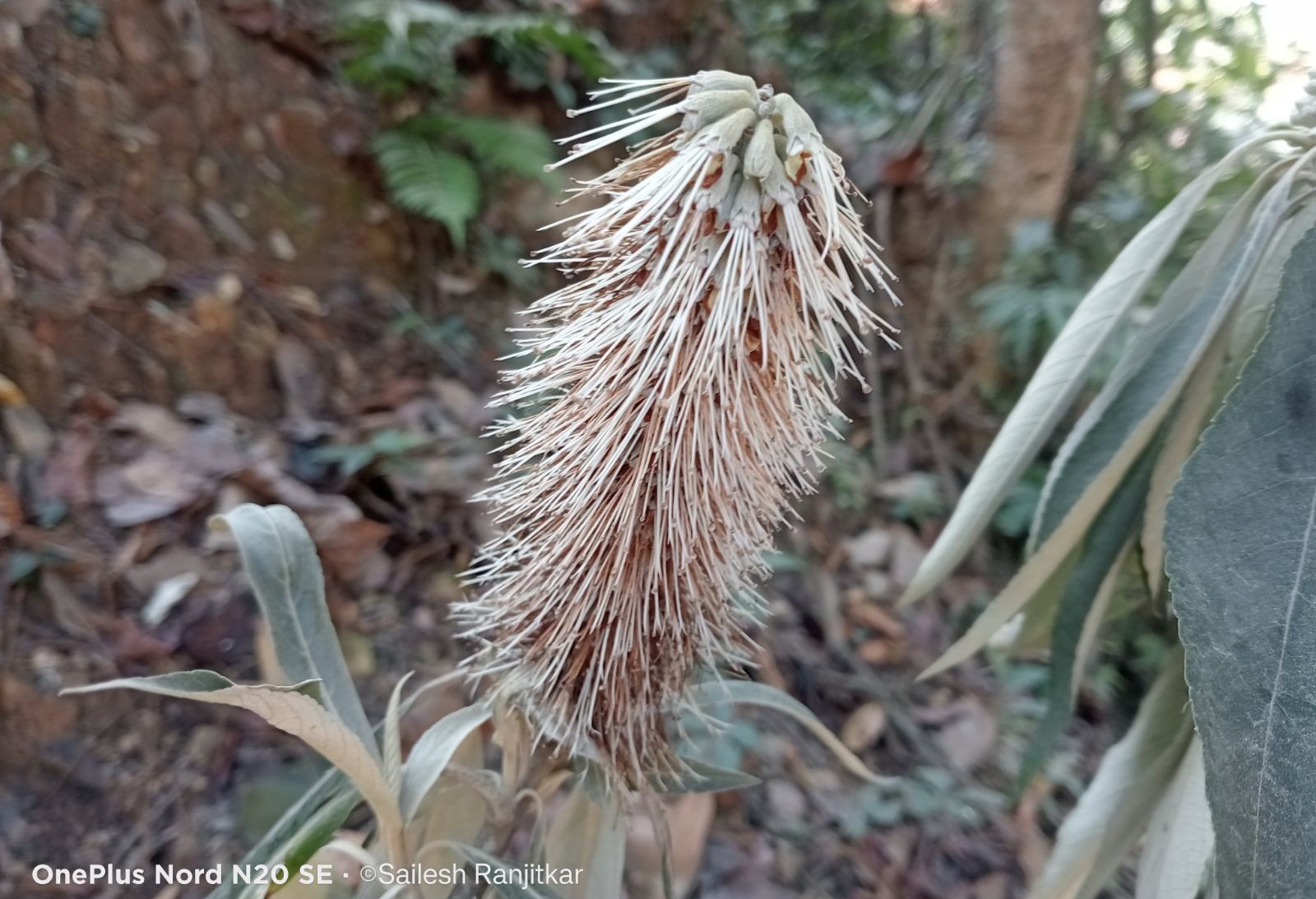
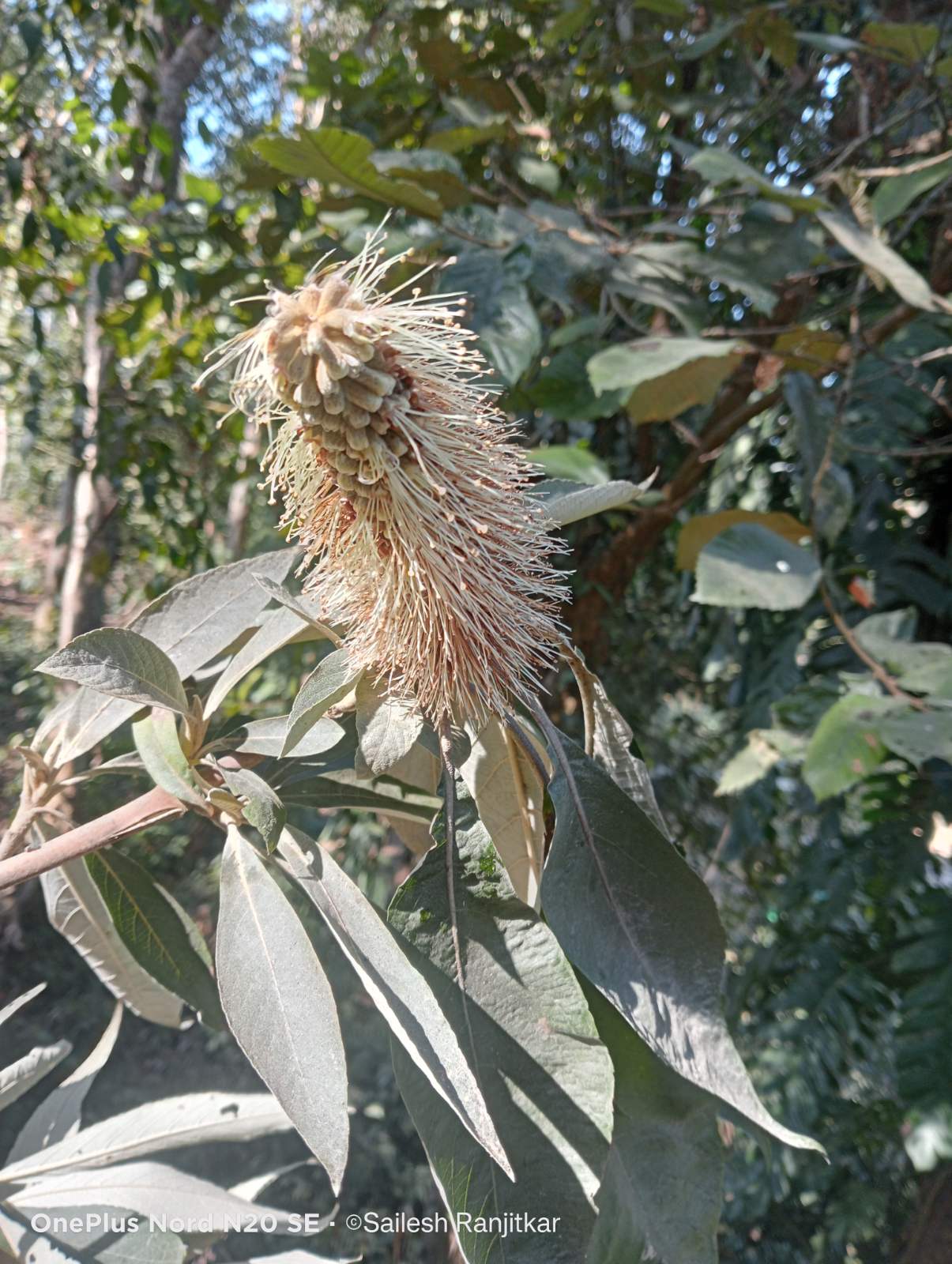
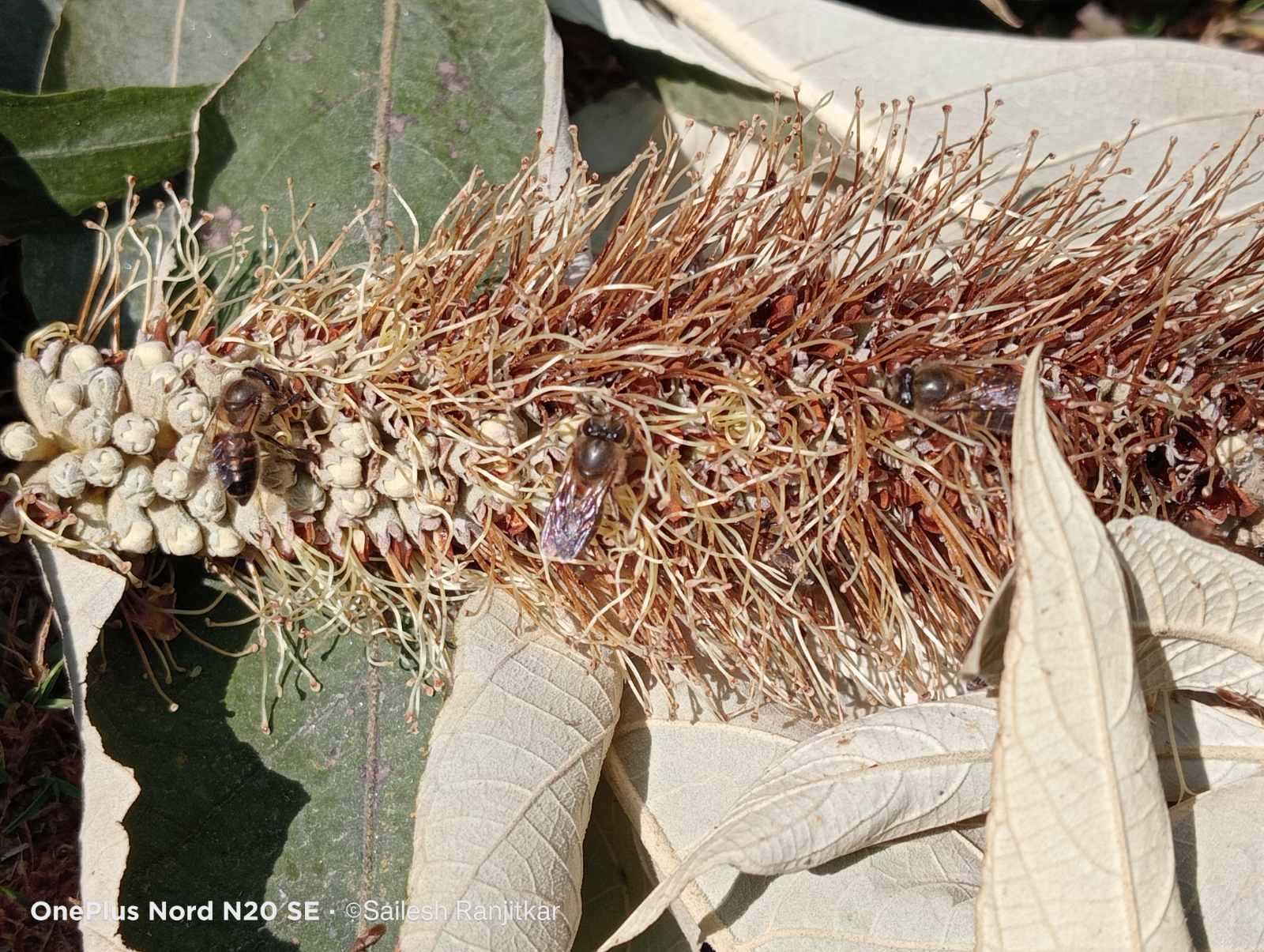
Ornamental: Highly valued in landscaping for its unique silvery foliage and winter-blooming flower "wands." Eco-restoration: Often used as a pioneer species in disturbed forest areas. Fodder: Leaves are occasionally harvested for livestock. Nectar source: It is an important nectar source for honeybees and nectar-feeding birds during the winter months.
Bhutan, China, India, Myanmar, Nepal
Found in moist temperate forests, secondary scrub, and forest edges at elevations between 1,000 and 2,500 meters.

It is highly valued for eco-restoration in disturbed forest areas and is a crucial nectar source for honeybees and nectar-feeding birds during the winter months.
Large woody shrub or small deciduous tree, typically growing 3–10 meters tall.
The stem is woody, erect, and branched. Young branches are densely covered in white or grayish-brown woolly hairs. As it matures, the bark becomes smoother and grayish, supporting a spreading or rounded canopy.
Leaves are opposite, large, and elliptic-lanceolate to oblong. They measure 15–30 cm long. The upper surface is dark green and smooth, while the lower surface is strikingly silvery-white due to dense woolly hairs. The margins are finely serrated, and the arrangement creates a lush, dense foliage.
Flowers are small, creamy-white, and crowded into dense, erect, cylindrical spikes resembling a wand or brush. They feature long, protruding stamens that give the inflorescence a fuzzy appearance. These terminal spikes are usually 10–25 cm long and attract various pollinators with their abundant nectar.
Fruit consists of four small, dry, brown nutlets contained within the persistent calyx. The nutlets are oblong and smooth, maturing after the flowering spike withers. They are inconspicuous compared to the showy flowers.
Flowering: October – February
Fruiting: January – April