
Scientific Name
Other Names
Life Form
Family
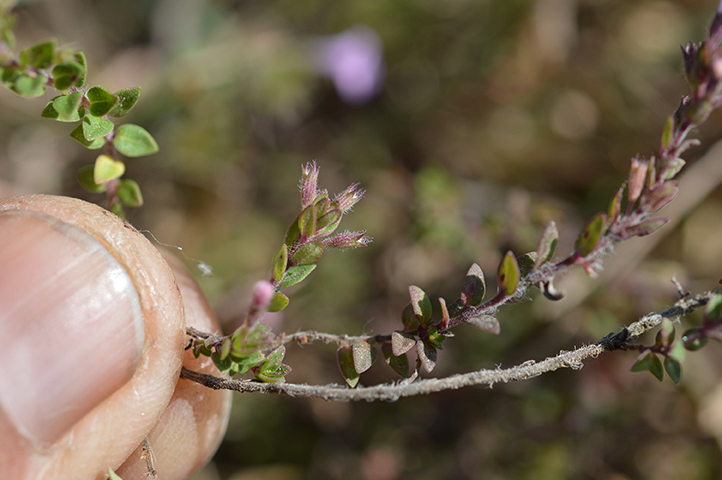
Food- The flowers and leaves are used as a tea. A powder of the dried flowers and leaves is used as a flavouring in lentil soups and curries. Medicine- A paste of the root is pressed between the jaws to treat toothache. The plant is rubbed and the aroma inhaled to treat nose bleeds. A paste of the plant is used as a poultice to treat wounds. The juice of the plant is taken internally and also inhaled in the treatment of sinusitis.
Afghanistan, Bhutan, China, India, Myanmar, Nepal, Pakistan
Thrives in hilly grasslands over limestone, at an elevation of 2000-2500 m.

It is low-growing shrubby herb with ascending-erect stems.
Stem is unbranched, slender reaching 10-30 cm tall, hairless or velvety.
Leaves are narrow to broadly ovate, thick, entire leaves with pointed tips. They are 0.5-1 cm long and 0.3-0.5 cm broad, with a prominent thickened margin. Gland-dotted underside, nearly stalkless.
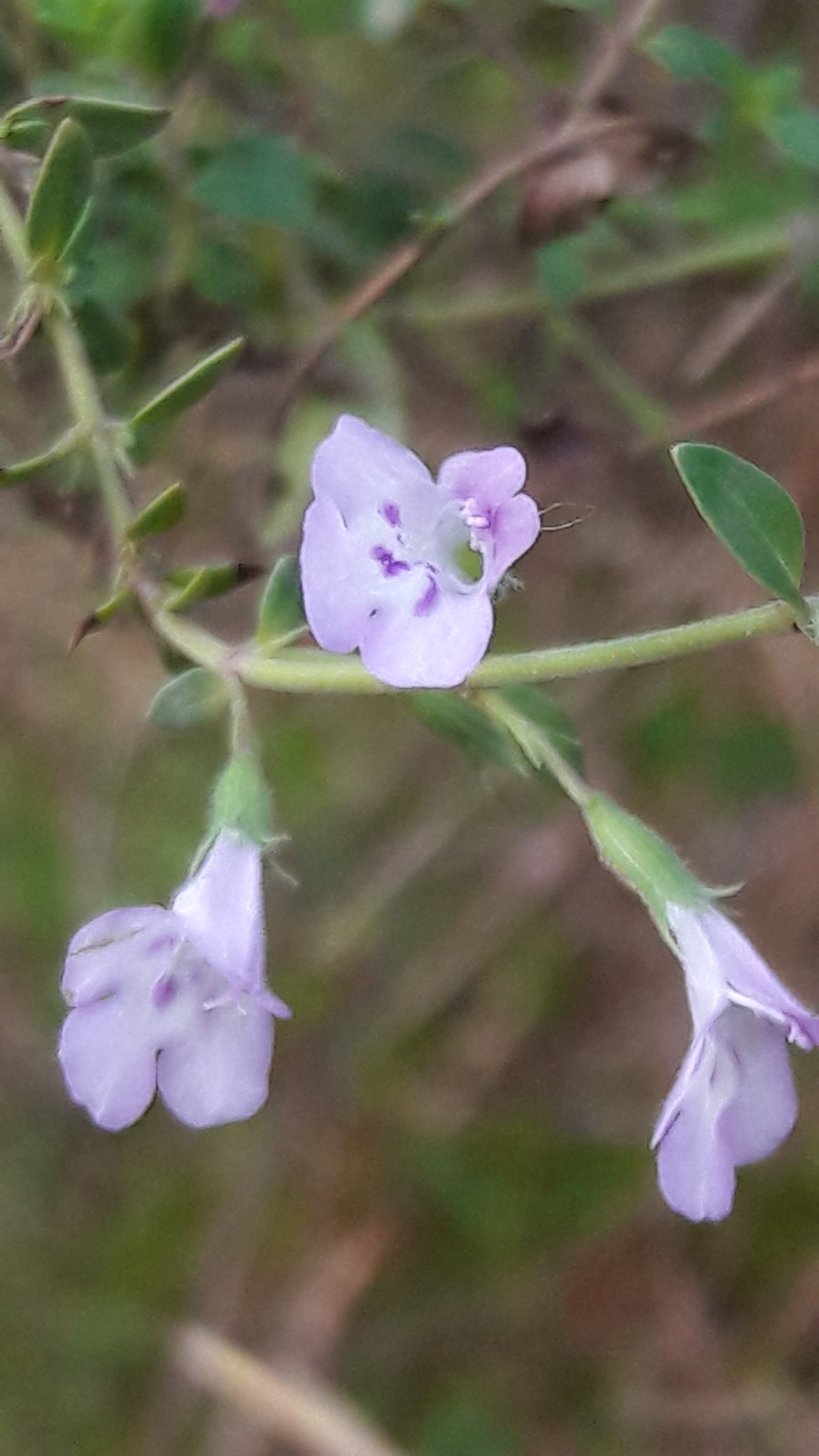
Flowers are rose to mauve (pink to a pale purple), clustered in few group. Flower stalks are erect-spreading, 0.1-0.3 cm long. Sepal cup is narrow, tubular, 0.3-0.4 cm long with spreading hairs. Flowers measure 0.6-0.7 cm long.
Fruit is small, dry enclosed within the calyx.
Flowering: June – July,
Fruiting: July – August.