
Scientific Name
Other Names
Life Form
Family
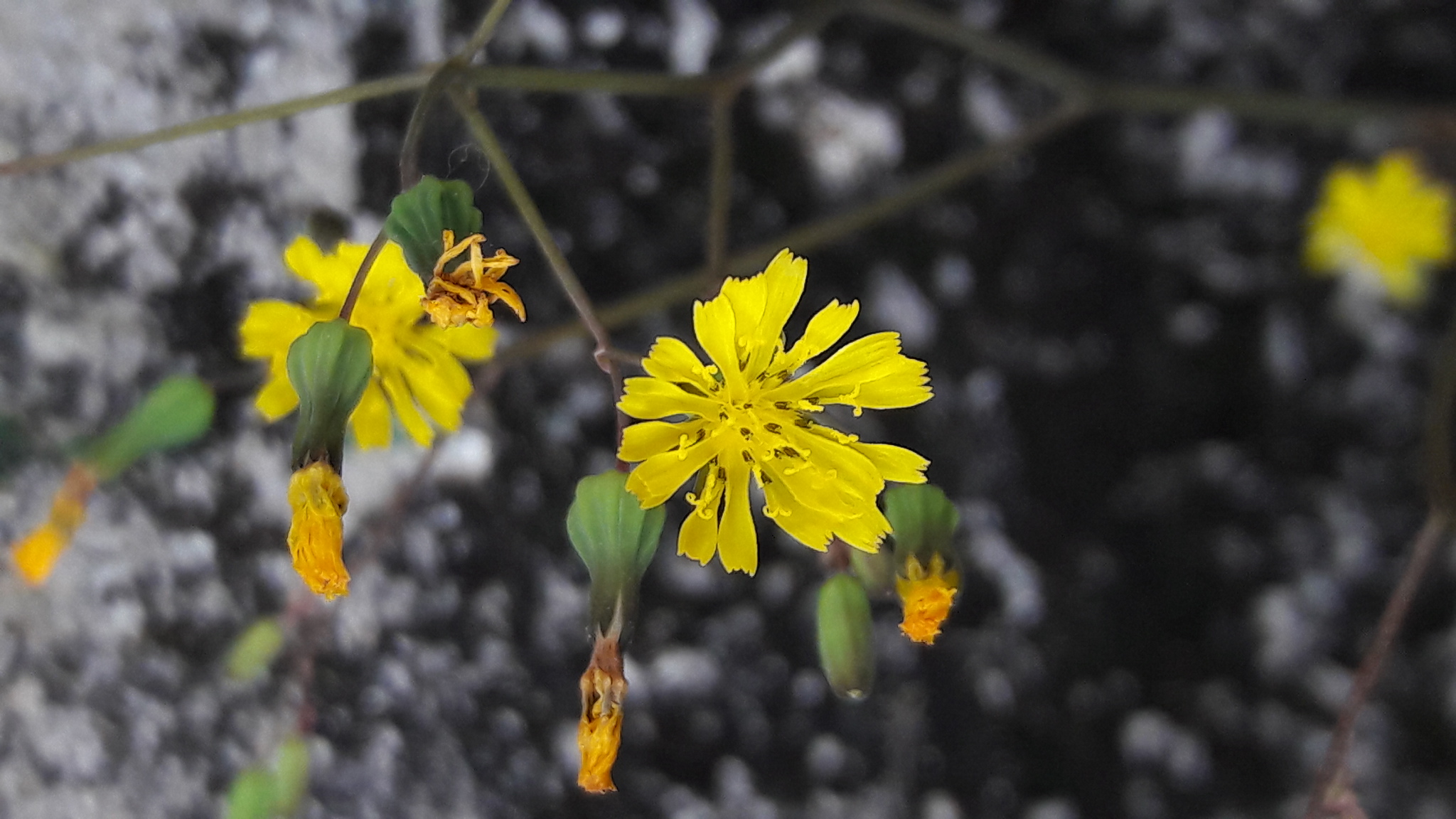
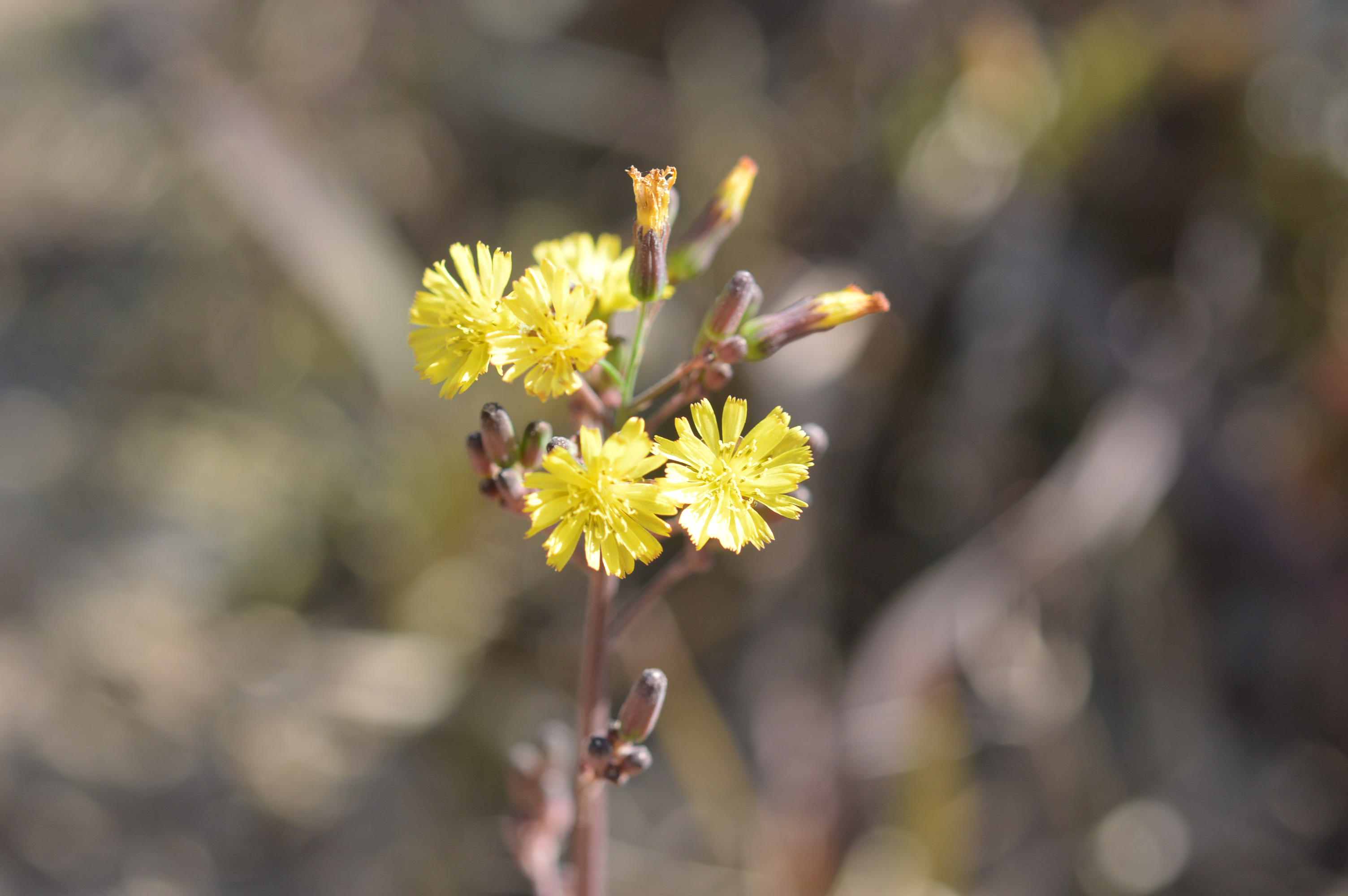
Medicine-Some traditional practices suggest the plant may have medicinal properties, especially as a digestive aid or anti-inflammatory. Food- The young leaves can be consumed both raw in salads or cooked like spinach. They are slightly bitter but can add a unique flavor to various dishes.
Afghanistan, Bangladesh, Bhutan, China, India, Myanmar, Nepal, Pakistan
Thrives in subtropical biome (a region with warm, humid summers and mild winters, located between the tropics and temperate zones), at an elevationof 230-2900 m.

It is biennial herb with a rosette form in the first year and then bolting upright in the second year grows up to 60 cm tall.
Stem is erect, usually solitary or with few branches. Can be glabrous (hairless) or hairy at the base.
Leaves are of two types. Basal leaves (first year): Arranged in a rosette, lyrate-pinnatifid (deeply lobed with a larger terminal lobe) with toothed margins. Stem leaves (second year): Fewer leaves higher on the stem, becoming smaller and reduced to bracts.
Flowers are numerous yellow flower heads, arranged in clusters called corymb-like panicles. Involucral bracts: 6-8, narrowly oblong shaped, green, and erect. Florets: Yellow, numbering 10-20 per flower head.
Fruit is brown to pubescent brown seed pod (achene), with a narrowed tip (fusiform). Each achene has a white pappus (hair-like structure) for wind dispersal,
Flowering: February-December.